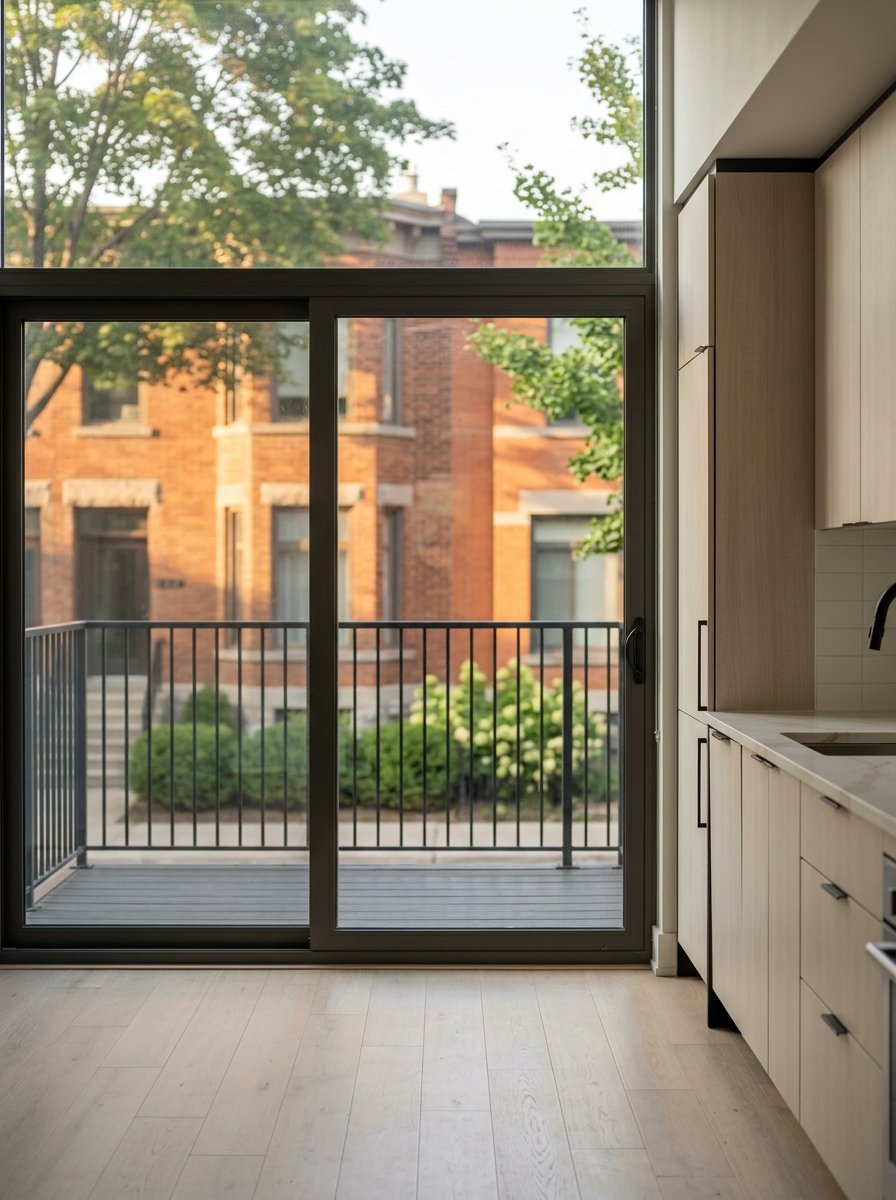
Modern Condo Living In The Annex’s Historic Streets
June 25, 2026
June 25, 2026
Looking for a condo lifestyle without giving up the character that makes a neighborhood feel memorable? The Annex offers a rare mix of historic streets, mature trees, and everyday city convenience, all in one of Toronto’s most storied central neighborhoods. If you are drawn to modern, low-maintenance living but still want culture, walkability, and a strong sense of place, this guide will show you why the Annex stands out. Let’s dive in.
The Annex is widely recognized as one of Toronto’s oldest and most established neighborhoods. Official Toronto sources describe it as a place of tree-lined streets, old houses, and a long connection to writers, artists, and city-building ideas. That heritage is not just background detail. It shapes how the area looks, feels, and evolves today.
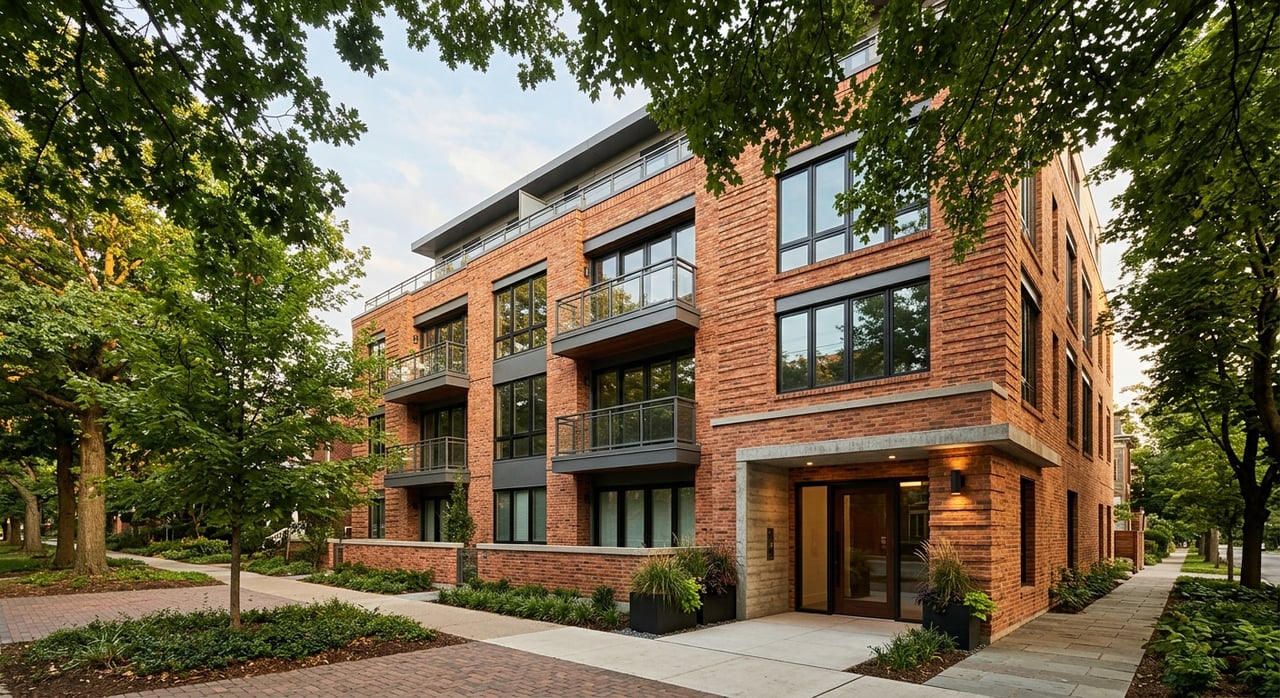
For condo buyers, that matters. In many central neighborhoods, the story is mainly about density and vertical living. In the Annex, the story is more layered. You get modern housing options within a streetscape that still reflects late-19th- and early-20th-century Toronto.
One of the most appealing things about condo living in the Annex is the contrast. You can enjoy the simplicity of a lock-and-leave lifestyle while stepping outside into streets known for historic houses, narrow roads, parks, and a mature tree canopy. That blend gives the area a calmer, more rooted feel than some tower-dense downtown districts.
This mix is also grounded in the neighborhood’s planning history. The City identifies the East Annex as a designated Heritage Conservation District, and parts of the West Annex are under active heritage study, with Madison Avenue already designated in Phase I. These frameworks are intended to conserve character and guide change, which helps explain why the streetscape remains so visually intact.
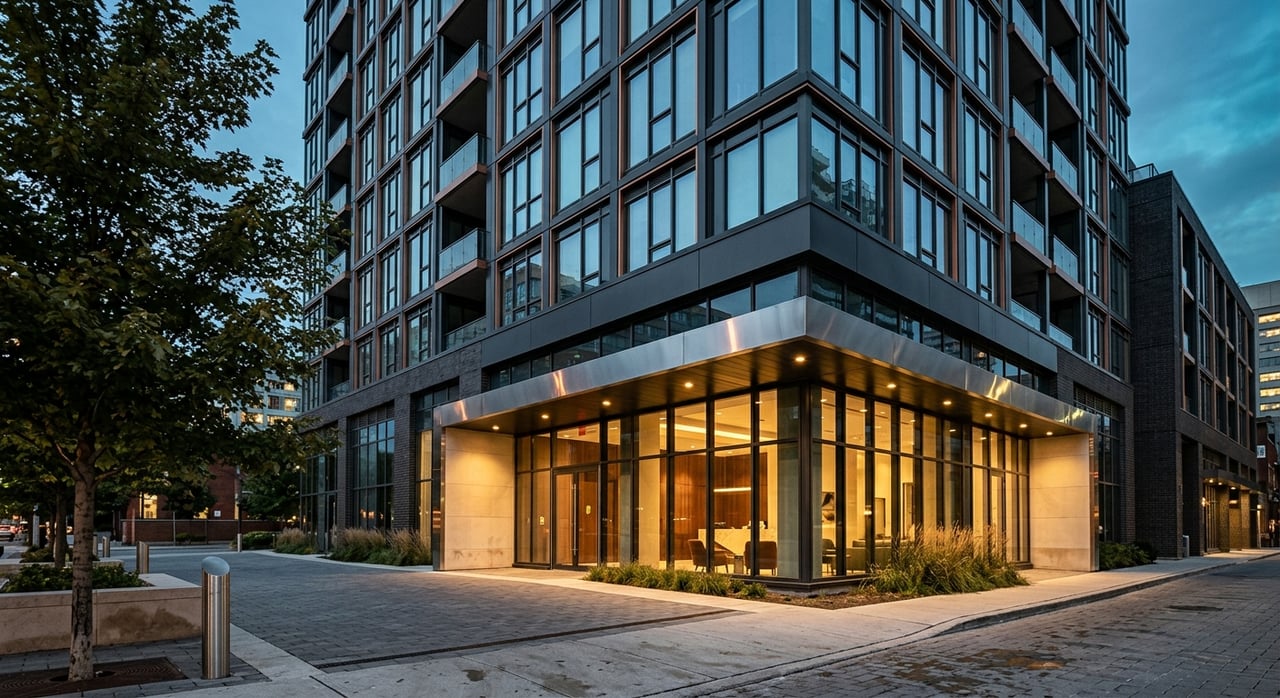
That does not mean the neighborhood is frozen in time. City materials on the West Annex note that the area’s history includes some of Toronto’s earliest apartment buildings, followed later by mid-rise and high-rise additions. In other words, old and new have been sharing space here for a long time.
If you are considering a condo in the Annex, the appeal often comes down to balance. You get the convenience many urban buyers want, paired with a neighborhood experience that feels more textured and human-scaled.
That can include:
For design-conscious buyers, this can be especially attractive. The Annex offers a lifestyle that feels curated rather than generic, which aligns well with buyers who care about both what is inside the building and what surrounds it.
The Annex is often experienced on foot. Official tourism and city walking materials highlight strolling, self-guided exploration, one-of-a-kind shops, galleries, and trendy eats. You are not choosing this neighborhood for a mall-driven experience. You are choosing it for local texture and day-to-day ease.
That creates a strong fit for condo living. When your neighborhood supports errands, coffee runs, casual dinners, and cultural outings without a lot of planning, your home can feel larger than its floor plan. The surrounding streets become part of your lifestyle.
Another advantage is that the retail and dining character feels locally scaled. The Annex is known more for neighborhood storefronts and independent-feeling experiences than for oversized commercial zones. If you value a more refined street experience, that distinction can matter.
Transit is one of the Annex’s clearest practical advantages. Destination Toronto identifies Bathurst, Spadina, and St. George as key subway stations serving the area. That gives residents access to multiple entry points, not just a single stop.
The TTC network adds even more flexibility. St. George is an interchange between Line 1 and Line 2. Spadina also connects Line 1 and Line 2 and links to the 510 Spadina streetcar. Bathurst connects to Line 2, the 7 Bathurst bus, and the 511 Bathurst streetcar.
For everyday living, that means strong east-west and north-south coverage. It also supports a car-light or car-optional lifestyle, especially with all-day service on the 510 and 511 corridors. If your routine includes commuting, meetings, dining out, or regular trips across the core, that kind of transit choice can make a real difference.
In the Annex, cultural access is not an occasional perk. It is part of the area’s rhythm. Official neighborhood profiles point to Hot Docs Cinema, the Royal Ontario Museum, the Royal Conservatory, and Philosopher’s Walk as local highlights, and they are close enough to shape how you spend your week.
The Royal Ontario Museum is one of the most significant cultural anchors nearby. The museum notes that it opened in 1914 and now houses 18 million artworks, cultural objects, and natural history specimens across 40 gallery and exhibition spaces. Its setting also mirrors the Annex itself, pairing heritage architecture with the modern Michael Lee-Chin Crystal.
The University of Toronto’s St. George campus adds another layer to the neighborhood experience. The university describes the campus as a blend of historical architecture, modern facilities, and green spaces. That combination supports the Annex’s broader identity as a place where history and contemporary city life naturally coexist.
The Royal Conservatory and the Bata Shoe Museum are also close by along Bloor Street West, while Hot Docs Ted Rogers Cinema sits directly in the Annex at 506 Bloor Street West. When major cultural venues are woven into your immediate surroundings, condo living can feel richer and more connected.
Some neighborhoods impress you in a listing photo. Others hold your attention over time because the streets themselves feel distinctive. The Annex belongs in the second category.
City heritage materials describe the area through house-form buildings, civic and institutional structures, narrow streets, parks, and mature tree canopy. That physical setting gives a condo purchase here a context that is hard to replicate. You are not just buying into a building. You are buying into a neighborhood landscape with visual continuity and long-standing character.
For many buyers, that can change the feel of urban living. A modern condo can deliver efficiency, security, and ease, while the neighborhood outside provides warmth, scale, and a stronger sense of arrival.
The Annex can appeal to several types of condo buyers, especially those who want more than a convenient address.
You may find it especially compelling if you are looking for:
It can also suit buyers who are downsizing from a house but still want visual richness and walkable daily life. Instead of trading into a setting that feels purely vertical, you may be able to enjoy a condo lifestyle in a neighborhood with more texture and historical depth.
The Annex works because it does not force you to choose between charm and convenience. You can enjoy modern condo living while staying connected to a neighborhood known for heritage homes, cultural landmarks, and a pedestrian-friendly street life.
That balance is increasingly valuable in central Toronto. For many buyers, convenience alone is no longer enough. You want a place that supports your routine, reflects your style, and still feels distinctive years after move-in.
In the Annex, that blend is not manufactured. It is built into the neighborhood’s history, planning framework, transit network, and cultural setting. That is what makes modern condo living here feel both practical and memorable.
If you are exploring condo opportunities in the Annex or comparing it with other central Toronto neighborhoods, Shirel Shayo can help you find a home that fits your lifestyle with a thoughtful, design-forward approach.
Stay up to date on the latest real estate trends.

Whether you’re entering the market or preparing to sell, expect a calm, modern, and detail-driven experience shaped entirely around you.