The Real Ceiling on a Forest Hill Addition Isn't the Zoning. It's the Tree.
September 24, 2026
September 24, 2026
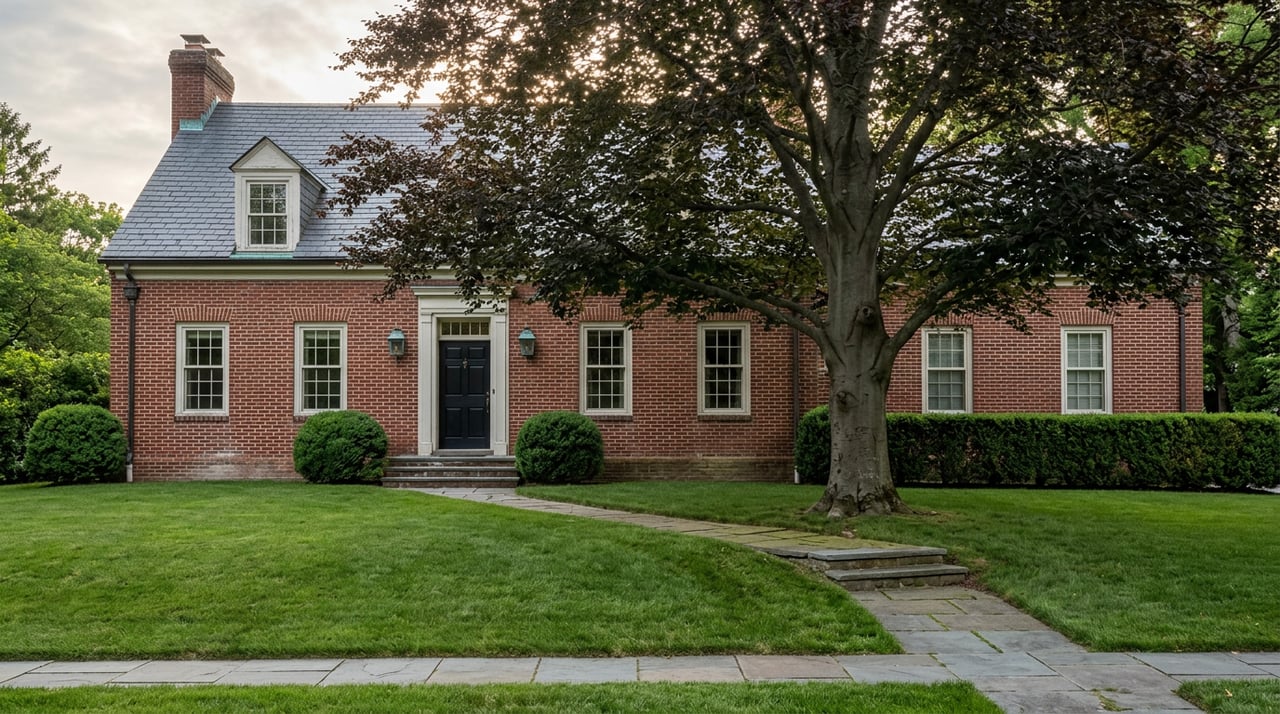
Walk a lot on Old Forest Hill Road or Vesta Drive and the pitch writes itself: deep setbacks, generous frontage, a zoning code that still carries the old village's room to build. A buyer pricing out a rear addition or a third storey looks at that lot coverage and height allowance and assumes the only real constraint is budget. Then an arborist walks the same lot, measures the copper beech or the old sugar maple at the back property line, and the project's actual ceiling shows up somewhere the zoning bylaw never mentioned.
That gap between what the zoning permits and what the tree permits just got wider. On September 1, 2026, Toronto's tree protection rules changed in a way that hands the City new discretion to say no, even on a project that's otherwise entirely as-of-right. For a neighborhood built on large, heavily treed lots, that discretion is the friction point that decides whether a renovation timeline holds.
City Council adopted the amendments on March 25 and 26, 2026, and enacted them as By-law 402-2026 on April 23. They came into force this month, which means anyone who closed on a Forest Hill property this summer with a renovation in mind is now operating under a different rulebook than the one their pre-offer research turned up.
The headline change is a new Distinctive Tree category for healthy private trees with a single stem over 61 centimetres in diameter. Before this month, the standard 30 centimetre threshold governed most private-tree permit decisions and the review was largely procedural. Now, if a tree named in a permit application qualifies as Distinctive, the City's Executive Director is required to weigh that status before deciding, and has the discretion to refuse the permit outright. That applies to both the standard private-tree bylaw and the ravine protection bylaw, so it reaches lots well outside any flood-adjacent boundary.
Two other pieces of the update matter for anyone planning to build. Replacement trees planted to satisfy a permit condition are now protected from the day they go into the ground, with no size threshold and no grace period. And a new fee schedule for ravine permits was added on top of the existing private-tree fees, effective the same day. Council separately endorsed, in principle, lowering the general protection threshold from 30 centimetres to 20, but that change is not law. It's pending a 2027 analysis, which means it's worth watching if your project timeline stretches into next year, but it isn't something to plan around today.
Forest Hill's zoning is mostly Residential Detached, carrying lot coverage and height allowances left over from the neighborhood's original village-era standards. That's real and it's why plenty of interior renovations proceed without a Committee of Adjustment application at all. But the zoning envelope and the buildable envelope are two different things once a protected tree sits inside the excavation footprint.
| What the zoning allows | What can still stop or reshape it |
|---|---|
| Rear addition within lot coverage limits | A single stem over 61 cm now classified Distinctive |
| Third storey within height allowance | Root protection zone overlapping the foundation footprint |
| Larger garage within setback rules | Grade changes or fill restricted on ravine-adjacent land |
There's also a detail that trips up more projects than people expect. The City measures a multi-stemmed tree by its largest single stem, so a wide, many-trunked tree can qualify for protection even when no individual trunk looks especially large from the street. On lots where the original 1920s and 1930s plantings have grown into exactly that shape, a quick visual assessment from a homeowner or even a contractor can miss what an arborist's tape measure catches.
None of this happens as one application. A Forest Hill project that touches a protected tree typically runs through a sequence, and each step has its own timeline:
Toronto's 2026 Committee of Adjustment fee schedule prices some application types well into four figures, and that's before the arborist's invoice or any replanting deposit tied to the tree permit. The tracks don't have to run one after another, but they do have to run in parallel deliberately. Filed sequentially instead of together, a project that looked like a few months on paper can stretch well past that.
Forest Hill has no Heritage Conservation District, which sets it apart from Rosedale and the Annex, where a blanket district plan governs exterior changes across every property. That gives Forest Hill owners more room to act without triggering a district-wide review. It is not the same as a free pass, since individual houses can still be listed or designated on their own, and the tree bylaw applies regardless of heritage status.
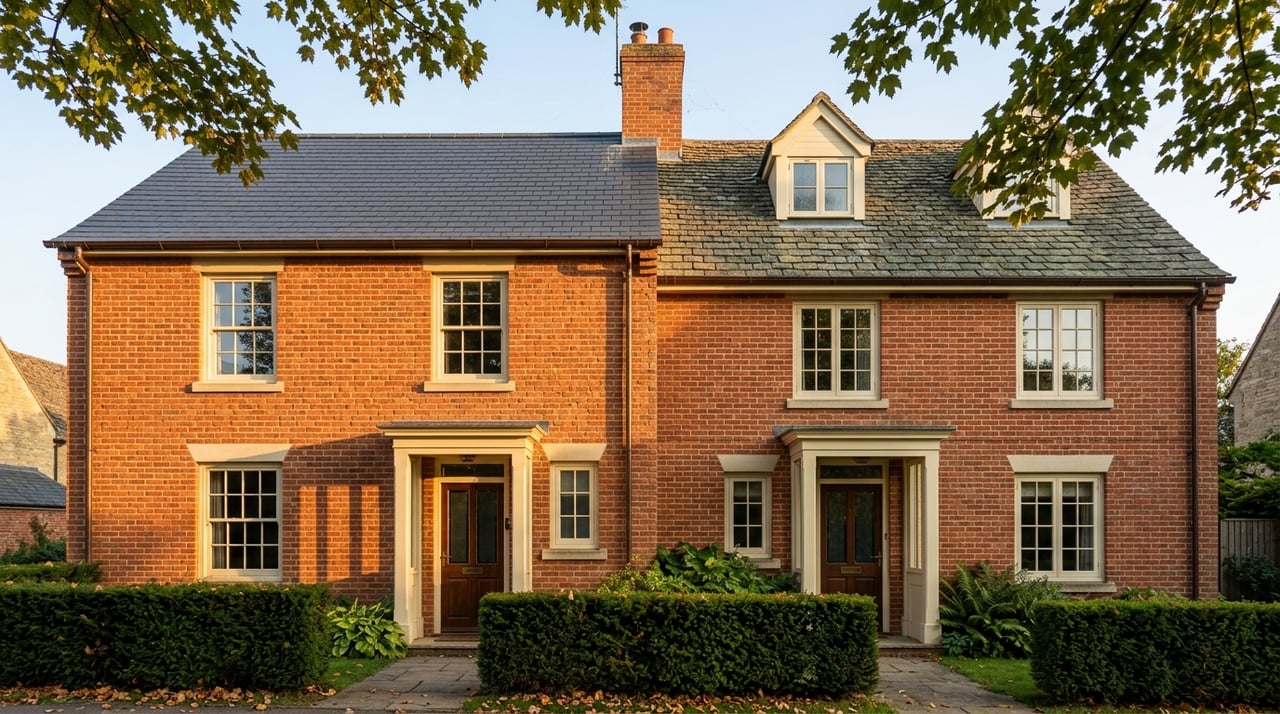
The heaviest concentration of original Tudor stock sits along Russell Hill Road, Old Forest Hill Road, Vesta Drive, and Strathearn Road, streets where the plantings are close to a century old and the canopy is correspondingly dense. Georgian Revival homes cluster more toward Forest Hill Road and the streets just west of Avenue Road. Lots along the Cedarvale edge carry an additional layer: ravine and natural feature protection treats every tree as protected regardless of diameter, and any grading, fill, or retaining wall work needs separate authorization before a shovel goes in the ground.
A hundred-year-old maple doesn't care what your survey says about setbacks. It has its own permit process, and as of this month, its own veto.
None of this argues against buying in Forest Hill. It argues for treating the tree assessment as part of due diligence, not as something to sort out after the deal closes. A conversation with an ISA certified arborist before firming up an offer costs a fraction of what a stalled excavation does, and it tells you early whether the addition you're picturing needs to shift a few feet, lose a garage bay, or wait on a Committee of Adjustment hearing before the general contractor can start.
A few questions worth raising with your own team before you waive any conditions:
Does the September 1 change apply to permits already filed before that date? The amendments took effect September 1, 2026, and govern applications reviewed on or after that date. If your permit was already in process before then, confirm its status directly with Urban Forestry rather than assuming which rule applies.
Is the 20 centimetre threshold in effect now? No. Council endorsed the idea in principle, but it's pending a detailed analysis and implementation report due in 2027. The current protected threshold remains 30 centimetres, with the new 61 centimetre Distinctive Tree category layered on top for the largest trees.
Does having no Heritage Conservation District mean Forest Hill has no tree protection? No, those are separate systems. The absence of an HCD affects whether exterior changes need heritage review. The tree bylaw and ravine protection rules apply across the city regardless of heritage status, and they're the ones that changed this month.
If you're weighing a Forest Hill property with a renovation or rebuild in mind, it's worth walking the lot with someone who knows which questions the trees are going to raise before the offer does. Shirel Shayo works across Forest Hill's older streets and can help connect you with the right due diligence before you're past your conditions, not after. Browse current Forest Hill listings on the neighborhood page, or reach out directly to talk through a specific property.
Stay up to date on the latest real estate trends.
Whether you’re entering the market or preparing to sell, expect a calm, modern, and detail-driven experience shaped entirely around you.