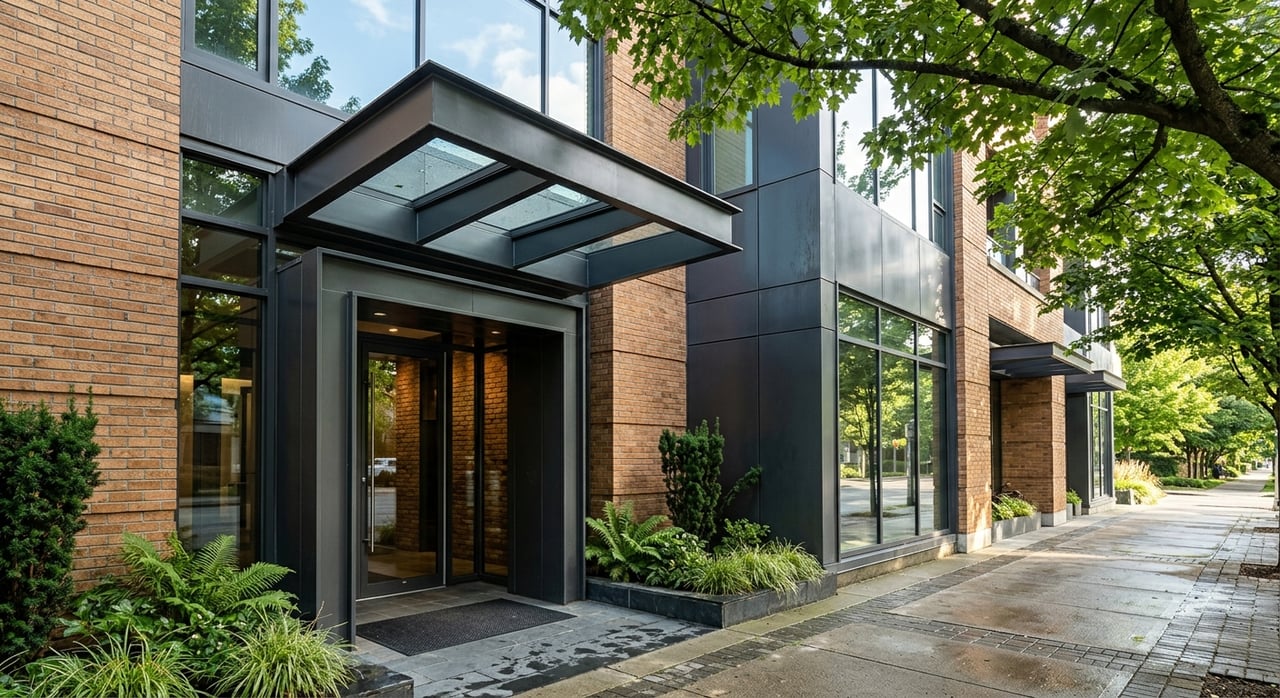
Positioning An Annex Condo As A Smart Urban Investment
July 9, 2026
July 9, 2026
Wondering whether an Annex condo still stands out as a smart urban investment? In a market where renters have more choice and presentation matters more than ever, location alone is not enough. If you own, plan to buy, or may eventually sell an Annex condo, it helps to understand what keeps this neighborhood relevant and what makes one unit perform better than another. Let’s dive in.
The Annex has a rare mix that is hard to replicate in downtown Toronto. The area is known for tree-lined streets, older homes, parks, narrow streets, and a mature canopy, which gives it a character-rich feel close to the city core. That balance of central location and established streetscape is a big part of its long-term appeal.
Just as important, the Annex is well connected. TTC ridership data for 2023 to 2024 shows strong weekday use at St. George Station, along with meaningful usage at Spadina, Bathurst, and Dupont. For renters, that means practical access to downtown jobs, campuses, and major destinations across the city.
In condo investing, convenience often shapes demand more than headline trends. The Annex benefits from a cluster of subway stations rather than relying on a single stop, which gives renters flexibility in how they move through the city. That kind of connectivity can support consistent interest from people who want an easy urban routine.
For many tenants, transit access is not just a perk. It affects commute times, daily planning, and whether a unit feels easy to live in long term. In a neighborhood like the Annex, that everyday usability adds real weight to the investment story.
One reason the Annex stays relevant is that its renter base is not tied to one audience alone. The University of Toronto’s St. George campus has more than 69,900 students, and downtown also benefits from major health and research employers such as SickKids and UHN. Together, these anchors support demand from students, faculty, researchers, clinicians, and downtown professionals.
That mix matters in today’s market. CMHC’s 2025 rental market report notes that vacancy increases were stronger near post-secondary institutions as international student demand softened. In other words, the Annex can benefit from academic demand, but its strength is broader than a student-only narrative.
A smart urban investment is not only about the building. It is also about what your tenant can do within a few blocks of home. The Bloor Annex BIA highlights a local mix of food and drink, shops, services, entertainment, and events along Bloor Street between Madison and Bathurst.
That kind of day-to-day convenience matters. Renters often value neighborhoods where errands, dining, and social plans can happen close to home, and the Annex offers that in a way that feels established rather than manufactured.
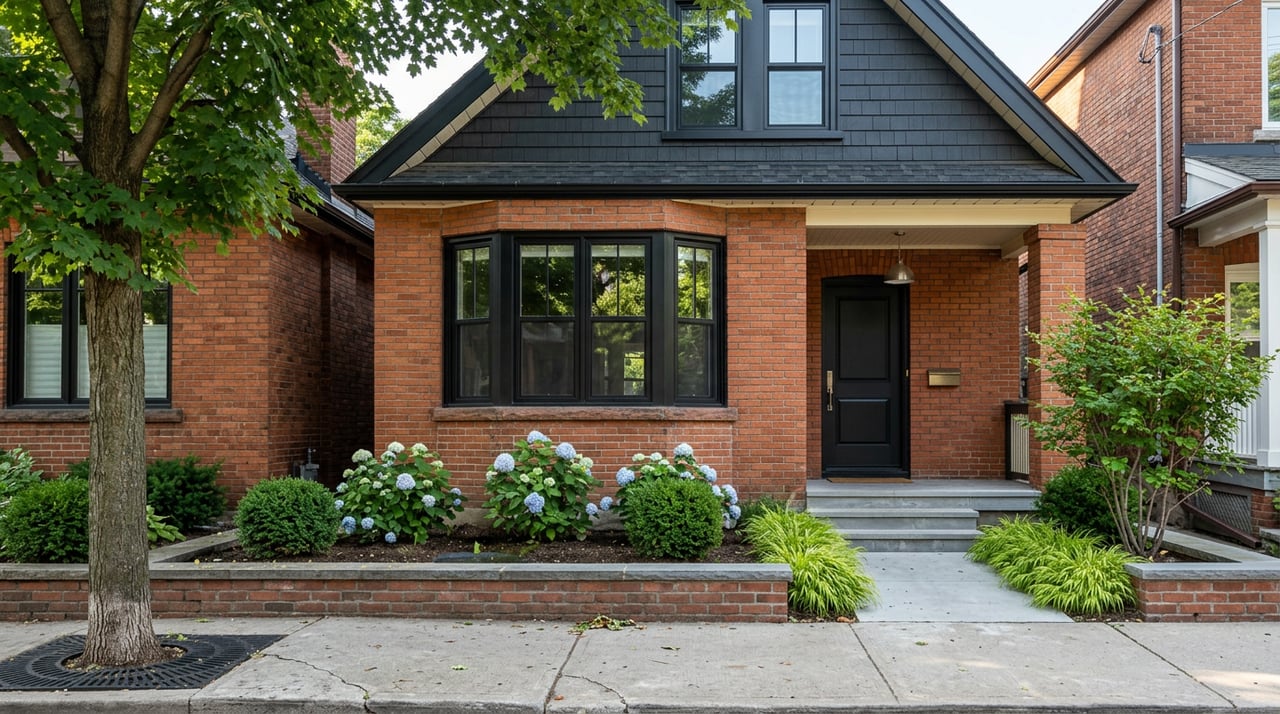
The Annex is not defined by large-scale new-build volume. City heritage work describes the West Annex as a historic area shaped by low-rise house-form buildings and mature landscaping. That helps explain why the neighborhood often feels distinct from more rapidly changing condo districts.
From an investment perspective, preserved character can support long-term desirability. The City also requires heritage permits for many alterations to designated properties or properties within Heritage Conservation Districts, which can limit certain changes and help maintain the area’s built form over time.
The current rental market needs a nuanced read. CMHC reports that Toronto’s purpose-built rental vacancy rate rose to 3.0% in 2025, while the rented condominium apartment vacancy rate in the GTA was 1.0%. That suggests condo rentals remained tighter than purpose-built rental stock.
At the same time, the University/Annex area posted a 3.1% purpose-built vacancy rate in 2025. For investors, the takeaway is simple: demand exists, but it is more selective, and unit quality plays a larger role when renters have more options.
In a neighborhood like the Annex, the strongest units usually reduce friction in daily living. Efficient layouts, practical storage, natural light, in-suite laundry, and space for working from home tend to be especially useful. A one-bedroom-plus-den or a well-planned two-bedroom can often appeal to a broader range of tenants than a layout that looks good on paper but feels awkward in practice.
Condition also matters more than ever. As newer rental supply and incentives raise expectations across Toronto, renters are comparing not only price and location but also presentation and ease of living. A condo that feels clean, functional, and thoughtfully prepared can compete better than one that relies on the neighborhood name alone.
The Annex is often better understood as a quality-and-fit market than a commodity market. Renters drawn to this area are usually comparing lifestyle, transit convenience, building experience, and the feel of the unit itself. That means your condo’s presentation and positioning can directly affect how quickly it leases and how strongly it competes.
This is where a design-forward approach can make a difference. Clean staging, strong photography, and a listing story that reflects how the space actually lives can help the right tenant picture themselves there faster.
If you already own an Annex condo, the next question may be whether to hold it or sell it. At a high level, holding can make sense when the unit is well located, easy to lease, and supported by manageable condo fees and building finances. Selling can make more sense when your capital could be deployed more efficiently elsewhere, when the layout or condition limits rentability, or when ownership costs no longer match your goals.
This decision is rarely about the neighborhood alone. It is usually about how the specific unit performs within the neighborhood, and whether it aligns with your timeline, risk tolerance, and broader financial picture.
Ontario’s rental rules are part of that analysis. The province states that most private residential rental units are subject to the annual rent increase guideline, which is capped at 2.5%, while buildings and additions first occupied for residential purposes after November 15, 2018 are exempt from rent control. Ontario also requires the standard lease for most residential tenancy agreements signed on or after April 30, 2018.
If you are planning renovations before leasing or before listing for sale, there is another layer to consider. If the condo is on a designated heritage property or within a Heritage Conservation District, the City requires permits for certain alterations and demolitions.
If your goal is to treat an Annex condo as a smart urban investment, think beyond broad market labels. Focus on the specifics that shape demand: transit access, building quality, layout efficiency, tenant usability, and polished presentation. In this neighborhood, those details often influence performance more than hype.
The strongest strategy is usually location-led but unit-specific. The Annex already offers character, connectivity, and established street life. Your opportunity is to make sure the condo itself matches what today’s renters or buyers actually value.
Whether you plan to lease, hold, or prepare for sale, thoughtful positioning can help you protect value and improve market response. In a neighborhood with lasting appeal and limited sameness, careful presentation is often part of the investment itself.
If you want a more design-conscious strategy for leasing, selling, or evaluating an Annex condo, connect with Shirel Shayo for a personalized condo consultation.
Stay up to date on the latest real estate trends.



Whether you’re entering the market or preparing to sell, expect a calm, modern, and detail-driven experience shaped entirely around you.