Oakwood Station on the Eglinton Crosstown, Six Months Later
August 13, 2026
August 13, 2026
"There is a crisis," Little Jamaica BIA chair Jason McDonald told CP24 in early May, three months after the Eglinton Crosstown finally started running. If you only read the headlines about Oakwood Village this year, you'd assume the story ends there: fifteen years of construction, a transit line that was supposed to save the strip, and a boulevard that still hasn't recovered.
Walk it yourself and the picture splits in two. Eglinton Avenue West between Oakwood and Dufferin does still carry the scars McDonald is describing. But one block south, behind the storefronts, something the construction-era coverage barely mentioned has been quietly building for a year. The Crosstown's real effect on daily life here isn't visible from the sidewalk everyone's been watching. It's happening in the lane behind it.
Line 5 Eglinton began carrying passengers on February 8, 2026, after fifteen years of construction that started in 2011. The finished line runs 19 kilometres between Mount Dennis and Kennedy Station, linking three subway lines, two GO lines, and more than fifty bus routes, according to the City of Toronto's own project page.
Oakwood Station is one stop west of Cedarvale, formerly Eglinton West, where riders transfer to the Yonge-University subway, per Transit Toronto's line summary. Once full service settles in, an end-to-end trip on the LRT runs about 50 to 55 minutes, compared with up to 105 minutes on the bus route it replaces, Railway Age reported in its opening-week coverage.
The station itself is an odd one, and locals should know why. It's underground, built using a mining technique called sequential excavation rather than the cut-and-cover method used at most other stops, which is why the interior reads as cylindrical rather than boxy. It's also the only station on the entire 25-stop line built directly at a T-intersection, meaning it sits at the visual end of Oakwood Avenue itself, according to Metrolinx's own station profile. Inside the main entrance is a window installation by Ontario artist Nicholas Pye, titled "Assembly with Colour, Rhythm and Form," and the station has two entrances plus 24 outdoor bike parking spots for anyone who'd rather ride than walk to the platform.
None of that architecture has translated into a full recovery for the businesses that sat through the construction. CBC reported in January that more than 300 small businesses closed along the corridor during the sixteen years of work, and that storefronts near Eglinton and Oakwood still carried "for rent" signs as the line prepared to open.
"It's hurtful, it's painful to see what they've done to our community, but hopefully some accountability can get brought in and we can deal with this crisis." — Jason McDonald, chair of the Little Jamaica BIA
By early May, three months after trains started running, McDonald was telling CP24 the same thing in the present tense: foot traffic was still down, and businesses were still closing. That's not a construction-era complaint anymore. It's a status update from after the line opened, and it's worth sitting with if you live nearby and were hoping the ribbon-cutting would flip a switch.
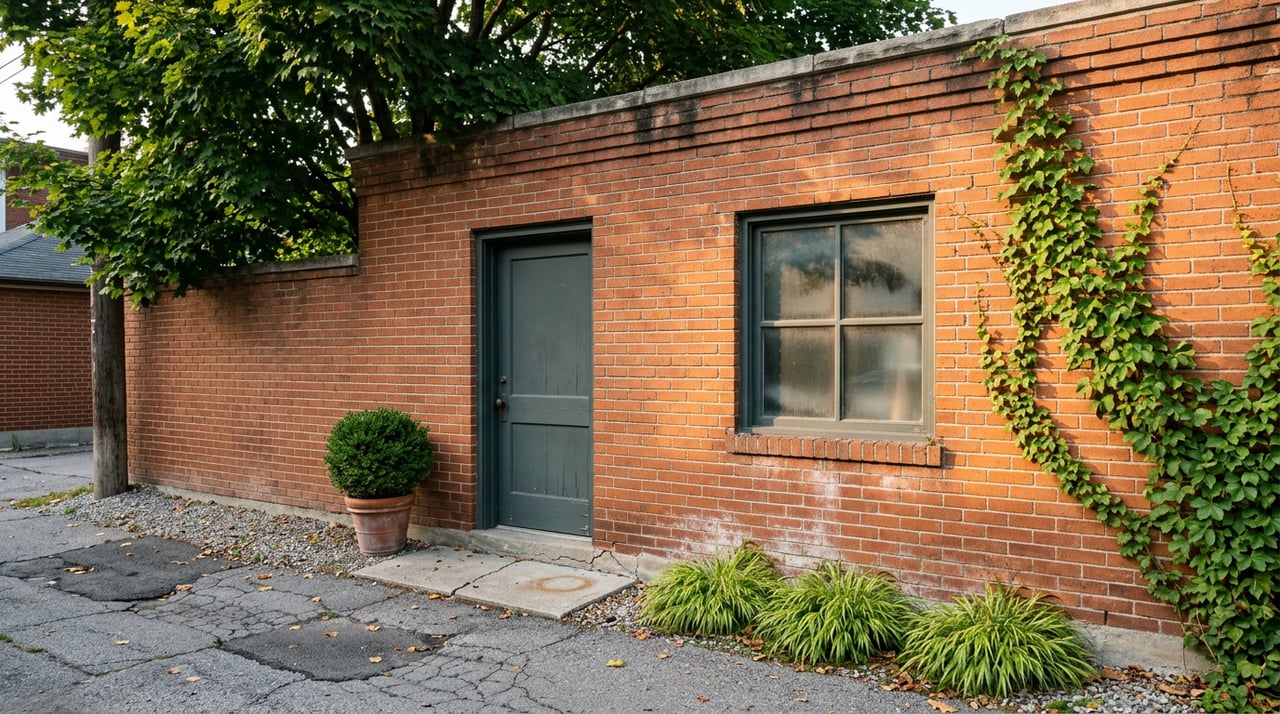
Here's what the coverage of the boulevard's struggles mostly leaves out. A block south of Eglinton, Reggae Lane connects Oakwood Avenue to a nearby Green P parking lot, and it's been the site of the neighbourhood's actual visible momentum for the past year. A weekly public farmers market focused on Afro-Caribbean vendors has been running there since last summer, set against a laneway that already carries murals marking its history as a reggae hub, and it's given the corridor a reason to draw people who aren't just passing through on their way to the subway.
The City has now made that split official rather than incidental. Toronto's draft Little Jamaica and Oakwood Vaughan Planning Framework, adopted by the Planning and Housing Committee on April 14, 2026, names four specific focus areas for future investment and design attention: Vaughan Hub, Oakwood Vaughan Centre, Reggae Lane, and the Dufferin and Eglinton apartment neighbourhoods. Reggae Lane isn't a footnote in that document. It's one of only four places in the entire study area the city has decided deserves its own planning attention, distinct from the main commercial strip it sits behind.
The other sign of where the energy is landing sits right at the station's doorstep. Andrew Cox opened a new location of his Caribbean cuisine franchise, Souperlicious, next door to Oakwood Station before the line even opened, betting that proximity to the platform would matter more than proximity to the busiest stretch of Eglinton itself. He told CBC in January that the goal was to give other entrepreneurs a pattern to follow, not just to catch commuter traffic. Six months in, that's still the clearest example of someone reading the neighbourhood correctly: the new gravity isn't the avenue everyone drove down for decades, it's the corner where the train actually surfaces.
If you want to see the contrast for yourself rather than take a headline's word for it, here's a route that covers both sides of what's actually happening right now.
The easy version of this story is that the LRT either saved Little Jamaica or it didn't. Neither framing holds up to a walk down the block. The boulevard is still working through sixteen years of disruption, and the BIA chair's own words from May make clear that isn't finished. But the city's own planning document and the pattern of where new energy is actually landing, a farmers market in a mural-lined laneway, a restaurant that bet on the station instead of the strip, tell a more specific story: the next visible change in Oakwood Village probably won't show up first on Eglinton Avenue. It'll show up on Reggae Lane, because that's where the City has already decided to put its planning attention, and where a business owner already put his money before anyone confirmed an opening date.
For residents, that's a useful thing to know before the next round of consultation opens. The framework's interactive mapping tool stays open for public input through September 30, 2026, and formal engagement resumes once this fall's municipal election period ends on October 26. If you have opinions about how Reggae Lane or the Oakwood Vaughan Centre should grow, that window is where they'll count.
If you're weighing what any of this means for a home you already own, or you're simply curious how Oakwood Village compares to nearby pockets of the city, Shirel Shayo tracks these shifts as part of her work across central Toronto's core neighbourhoods. You can browse the Oakwood Village neighbourhood guide or read her earlier walk through the Oakwood Village strip's newer openings for more of what's changing on the ground. Explore curated downtown listings or connect for a personalized condo consultation whenever you're ready.
Stay up to date on the latest real estate trends.
Whether you’re entering the market or preparing to sell, expect a calm, modern, and detail-driven experience shaped entirely around you.