Comparing Annex and Yorkville Condo Rentals for Investors
May 7, 2026
May 7, 2026
Wondering whether Annex or Yorkville is the better place to hold a Toronto condo rental right now? If you are investing in downtown Toronto, that question matters more in 2025 because demand is still strong, but renters have more choices and newer buildings are creating more competition. The good news is that both neighbourhoods can perform well when you match the right unit, pricing, and presentation to the local renter. Let’s dive in.
Annex and Yorkville both sit in highly connected central Toronto locations, but they appeal to renters for different reasons. That difference matters if you are buying, leasing, or repositioning a condo unit for better returns.
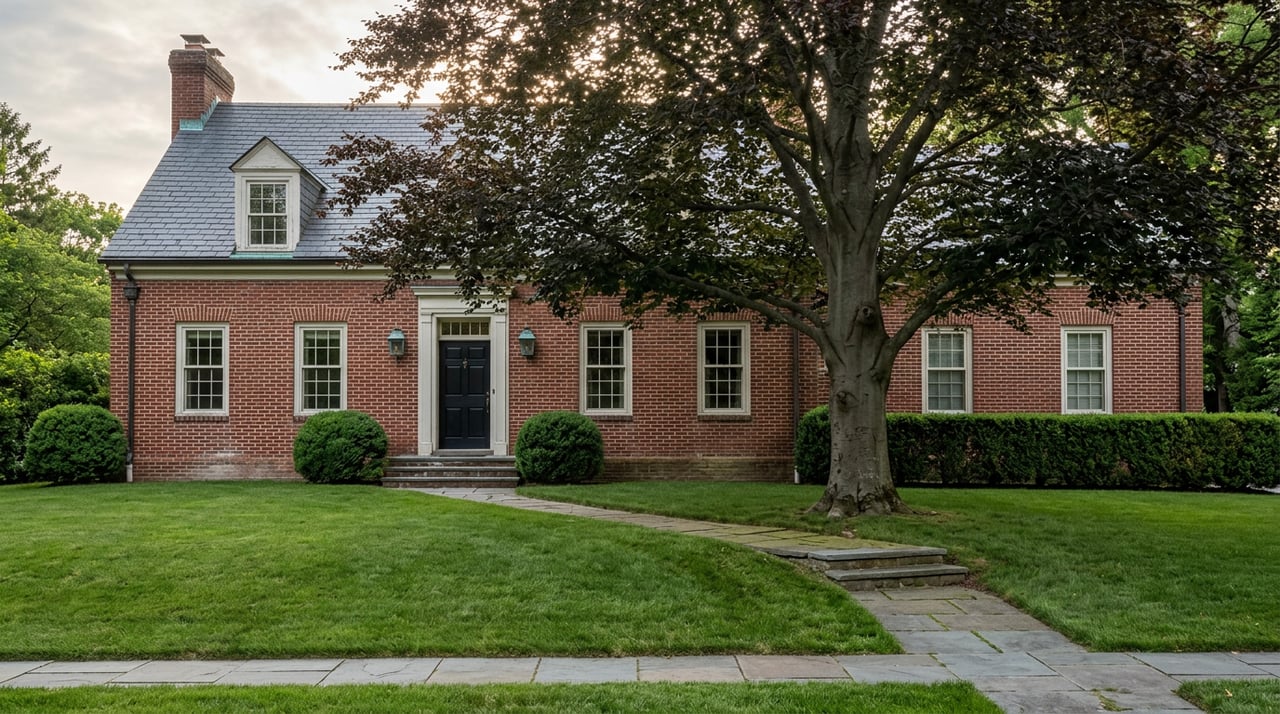
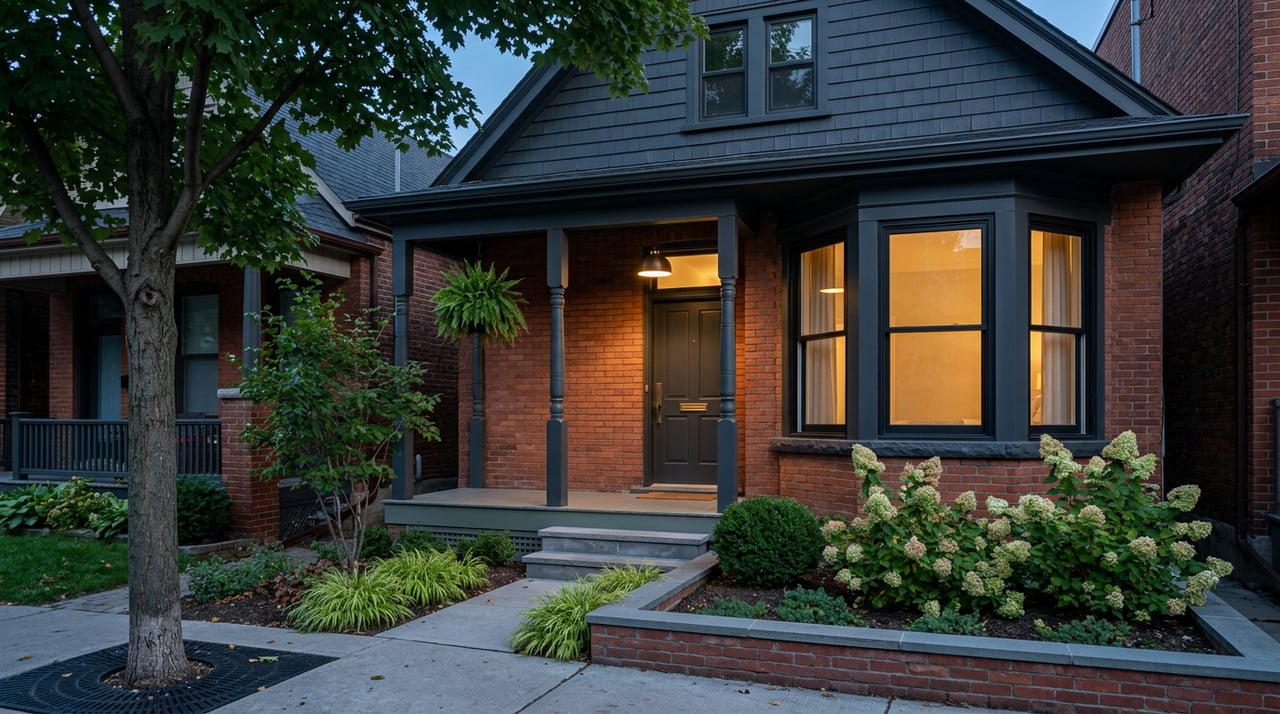
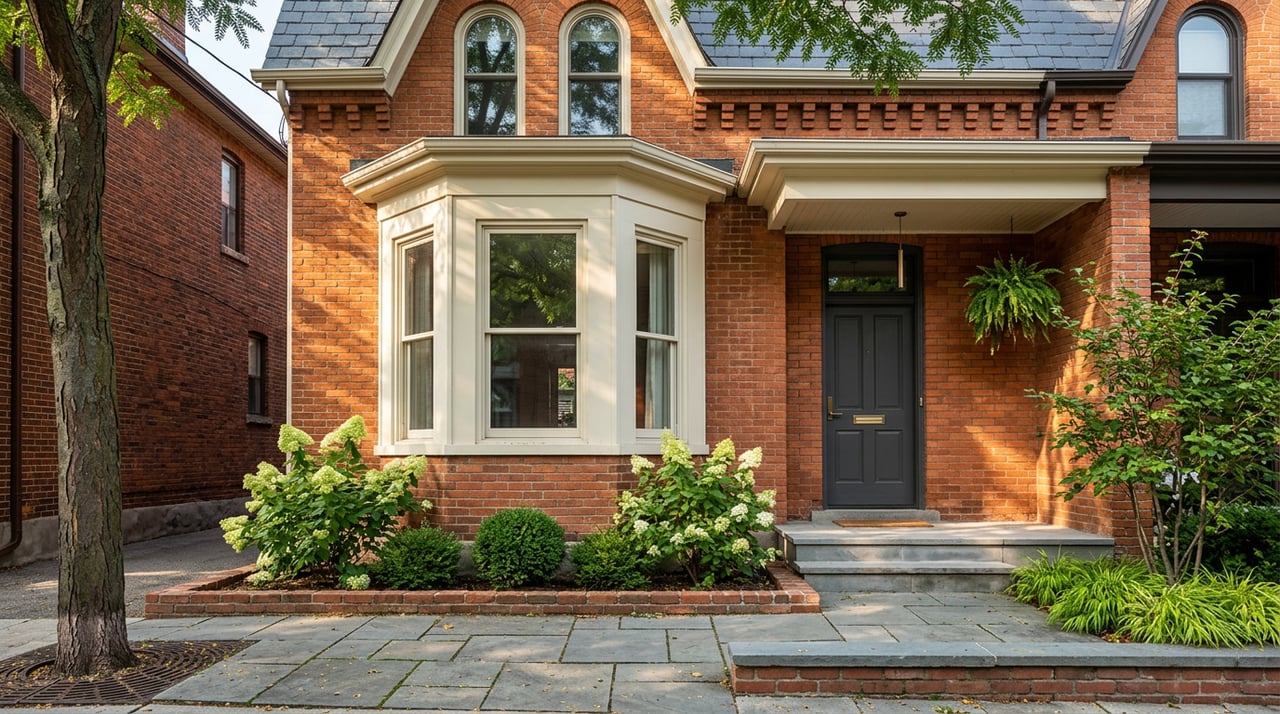
The Annex offers a distinct residential feel close to the core. City materials describe it as a historic, tree-lined neighbourhood with heritage house-form buildings, early apartment stock, and strong ties to the University of Toronto. That mix supports ongoing rental demand for walkable housing in a mature neighbourhood setting.
Yorkville has a different draw. The Bloor-Yorkville area is a major retail, dining, hospitality, and service hub with more than 700 businesses, according to City sources. For renters, that creates an amenity-rich lifestyle with a prestige factor that can support premium rents when the suite and building match expectations.
Before comparing these two neighbourhoods, it helps to understand the wider market. CMHC reported GTA condo-apartment vacancy at 1.0% in 2025, which points to a market that is still relatively tight. At the same time, renters have become more price-sensitive because more supply and incentives have entered the market.
TRREB’s Q4 2025 rental data showed average condo rents of $2,313 for one-bedroom units and $3,017 for two-bedroom units. CMHC reported an average 2-bedroom condo rent of $2,904 in 2025 across a different data set. These figures should be viewed as directional rather than identical, but together they show that well-located downtown condos are still commanding meaningful rents.
What has changed is competition. TRREB reported condo rental transactions up 16% year over year, while units listed for rent rose 8.5%. CMHC also found that many newly completed buildings were offering incentives, which means investors need stronger pricing discipline and sharper presentation than they did in ultra-tight leasing periods.
The Annex tends to offer a steadier, more character-driven rental story. The neighbourhood has an established renter base, and City of Toronto data from the 2016 neighbourhood profile counted 9,880 renter households compared with 6,055 owner households. That renter-heavy profile can support consistent leasing activity over time.
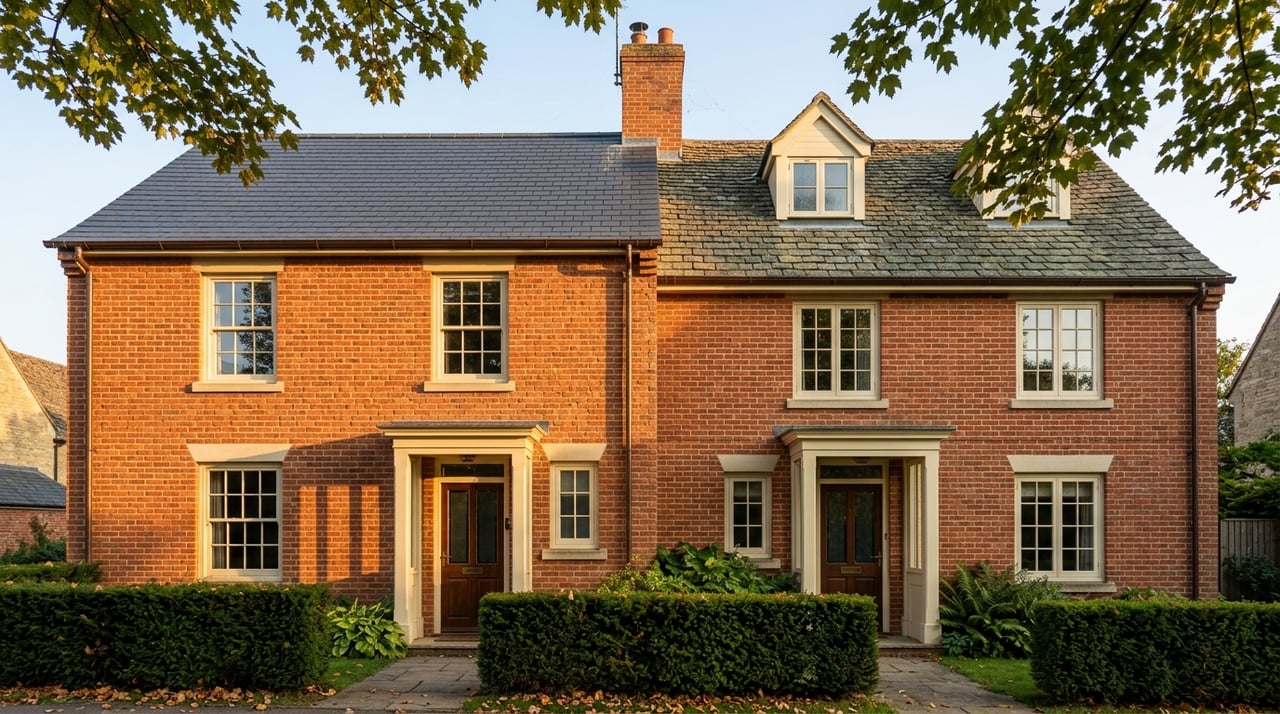
The built form is also part of the appeal. Heritage homes, low-rise apartments, and a mature streetscape create a setting that is difficult to replicate with new supply. For an investor, that can make a well-kept condo in or near the Annex feel more distinct, especially when it offers natural light, storage, and tasteful updates.
CMHC’s 2025 neighbourhood table showed purpose-built vacancy at 3.1% in University/Annex. Condo market conditions are tighter than purpose-built rentals overall, but this still suggests renters have options. In this environment, an Annex condo that is overpriced or under-presented may sit longer than expected.
Marketing in the Annex should focus on features that fit the neighbourhood context and current competition. In practical terms, that often means highlighting:
For many investors, the Annex works best as a long-term hold with stable appeal rather than a flashy rent-maximization play. It may not always produce the highest headline rent in the area, but it can offer a durable leasing proposition.
Yorkville supports a more premium rental strategy. The area’s identity is closely tied to luxury retail, hotels, restaurants, galleries, spas, and service businesses. That creates strong lifestyle appeal for renters who want convenience, finish quality, and a high-service building experience.
For investors, that can translate into higher asking rents, but also a more selective tenant pool. Renters in Yorkville are often comparing not just location, but building reputation, concierge service, amenity package, parking, and the overall feel of the suite. Small presentation gaps can have an outsized effect in this segment.
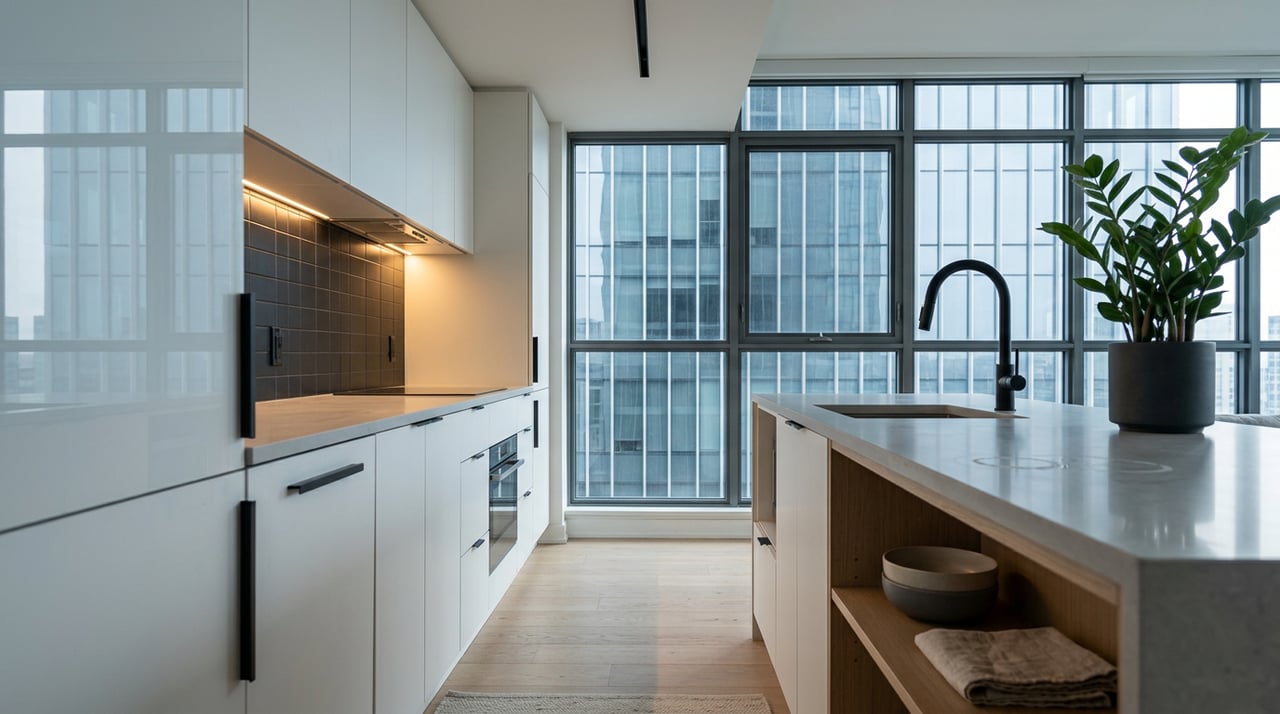
That is why Yorkville leasing tends to reward details. A condo with refined finishes, strong photography, clean staging, and clear lifestyle positioning is more likely to stand out. A similar-sized unit with dated styling or ambitious pricing may struggle, even in a sought-after location.
For Yorkville condos, your leasing strategy should usually highlight:
If you own in Yorkville, you are often marketing a lifestyle as much as a floor plan. That aligns well with boutique, visually driven marketing that helps renters picture daily life in the space.
One of the biggest investor mistakes in 2025 is assuming low vacancy means any unit will lease quickly at any price. Demand is still there, but the market has become less forgiving of overpricing.
CMHC reported that newer buildings completed in the past three years were near 7% vacancy and that 75% of structures completed since 2022 offered at least one incentive, most commonly one to two months of free rent. Even if your condo is not in a brand-new building, that competition affects renter expectations across nearby submarkets.
This matters in both Annex and Yorkville. In Annex, a renter may compare your suite to a newer building offering an incentive. In Yorkville, a premium tenant may expect stronger value if nearby towers are competing aggressively for attention.
A practical underwriting approach should include:
In today’s market, strong presentation can protect value, but pricing still does the heavy lifting.
If you are comparing Annex and Yorkville purely on rent potential, Yorkville may offer higher headline numbers. If you are comparing them on resilience and neighborhood character, Annex may look more stable and less dependent on luxury-level finish competition.
That said, ROI is not just about gross rent. You also need to think about leasing speed, tenant expectations, turnover risk, and how your specific unit compares with competing inventory. A beautifully presented one-bedroom in the Annex may outperform a tired Yorkville unit that enters the market at an unrealistic price.
CMHC also reported that turnover rents for 2-bedroom units declined by 2.5% in 2025 and turnover increased to 8.5%. That points to a more renter-friendly environment than in the tightest recent years. For investors, it is another reminder to underwrite with discipline instead of relying on market momentum alone.
When you underwrite future income, it is important to separate current market rent from future rent-growth assumptions. In Ontario, the 2026 rent increase guideline is 2.1% for most rent-controlled units.
There is an important exception. Units first occupied for residential purposes after November 15, 2018 are exempt from the guideline. That means some newer Yorkville towers and newer Annex-area developments may have more flexibility on future rent increases than older stock.
Ontario also requires most private residential condo rentals to use the provincial standard lease. According to Ontario’s rental rules, a rent deposit cannot be more than one month’s rent or one rent period, must be applied to the last month of tenancy, and cannot be used as a damage deposit. Key deposits are limited to actual cost.
For investors, the takeaway is simple: confirm the building’s first residential occupancy date before you project long-term rent growth. That single detail can significantly affect your numbers.
Strong leasing is not just about finding a tenant quickly. It is about finding the right tenant through a consistent, compliant process.
The Ontario Human Rights Commission says landlords may use income information, credit checks, credit references, rental history, guarantees, or similar business practices, but the process must remain consistent with the Human Rights Code. In practice, that means using the same screening standard for every applicant and documenting your selection process clearly.
A clean screening process usually includes:
For condo investors, professionalism matters at every stage. Clear applications, prompt communication, and organized review can help protect both your time and your asset.
In a more competitive rental market, marketing quality is no longer optional. It directly affects how quickly your unit leases and how much pricing power you can maintain.
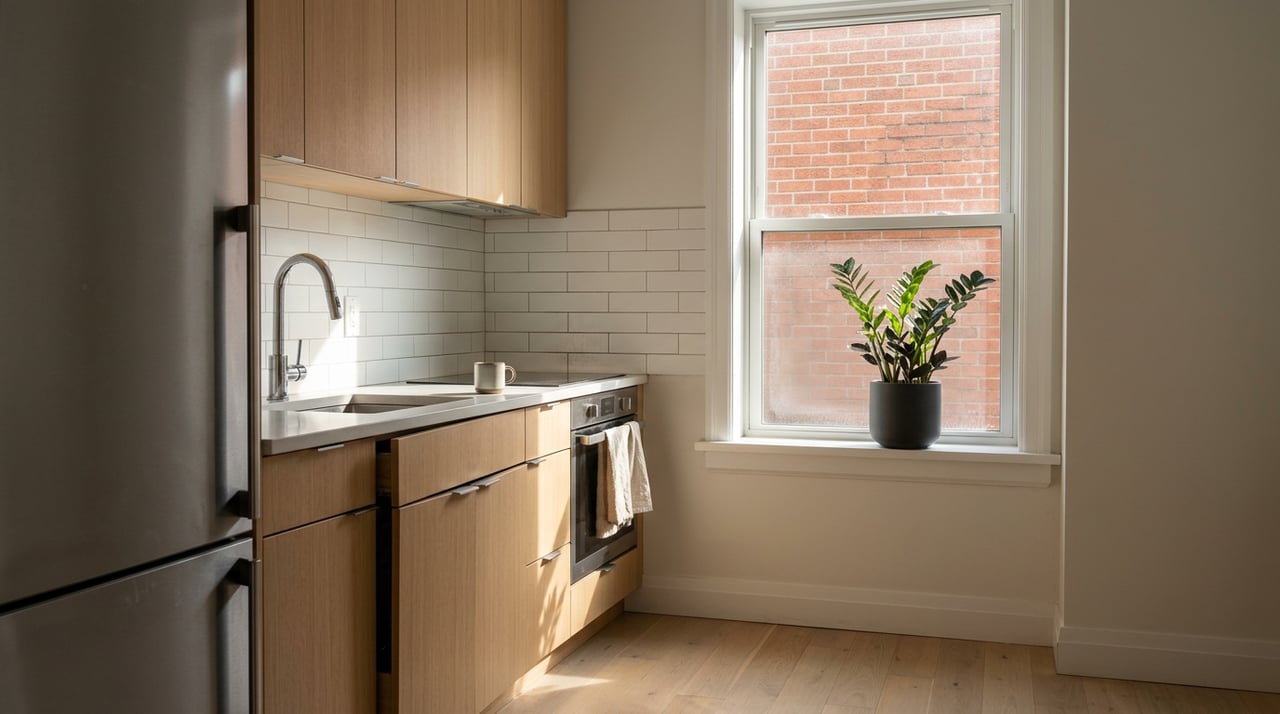
For Annex condos, the story should feel grounded, residential, and design-aware. You want to show how the suite fits the neighbourhood’s character while still delivering modern comfort. Bright photography, thoughtful staging, and a focus on function can be especially effective.
For Yorkville condos, the strategy should feel elevated and polished. Renters in this segment often respond to visual clarity, premium finishes, and a well-curated lifestyle narrative. When the suite, building, and branding feel aligned, your listing has a better chance of reaching the right tenant quickly.
This is exactly where boutique, design-led rental marketing can create an edge. In a market where many tenants are comparing similar square footage, presentation often shapes first impressions before a showing is ever booked.
There is no one-size-fits-all answer. The better choice depends on the kind of asset you want to hold and the kind of leasing strategy you are prepared to execute.
Choose Annex if you value:
Choose Yorkville if you value:
In both neighbourhoods, the fundamentals remain solid. The bigger difference is how precisely your unit matches local renter expectations and how well it is brought to market.
If you are weighing an Annex or Yorkville condo as a rental investment, thoughtful positioning can make a meaningful difference in both lease-up speed and long-term performance. For tailored guidance on pricing, presentation, and tenant placement in downtown Toronto, connect with Shirel Shayo.
Stay up to date on the latest real estate trends.
Whether you’re entering the market or preparing to sell, expect a calm, modern, and detail-driven experience shaped entirely around you.