The Real Risk in an Oakwood Village Century Home Isn't the Wiring. It's the Insurance Binder.
August 27, 2026
August 27, 2026
Here's a question worth asking before you write an offer on an Oakwood Village semi: when's the last time anyone opened that electrical panel?
Most sellers don't know. Many have never had to find out. A large share of Oakwood Village's housing stock has been in the same family since the 1970s and 80s, back when Italian, Portuguese, and Eastern European households first put down roots on the neighborhood's narrow lots, followed by the Caribbean families who settled along Eglinton Avenue West and built what became Little Jamaica. Those homeowners bought their insurance decades ago and renewed it on autopilot ever since. Nobody at the insurance company has looked closely at the wiring behind those walls in a generation, because nobody had a reason to.
That changes the day the house gets listed. And the failure mode isn't the one most buyers picture. It's not a fire, and it's not a home inspector shaking their head. It's a lender who won't fund the mortgage because the buyer can't get a bound insurance policy in time to close.
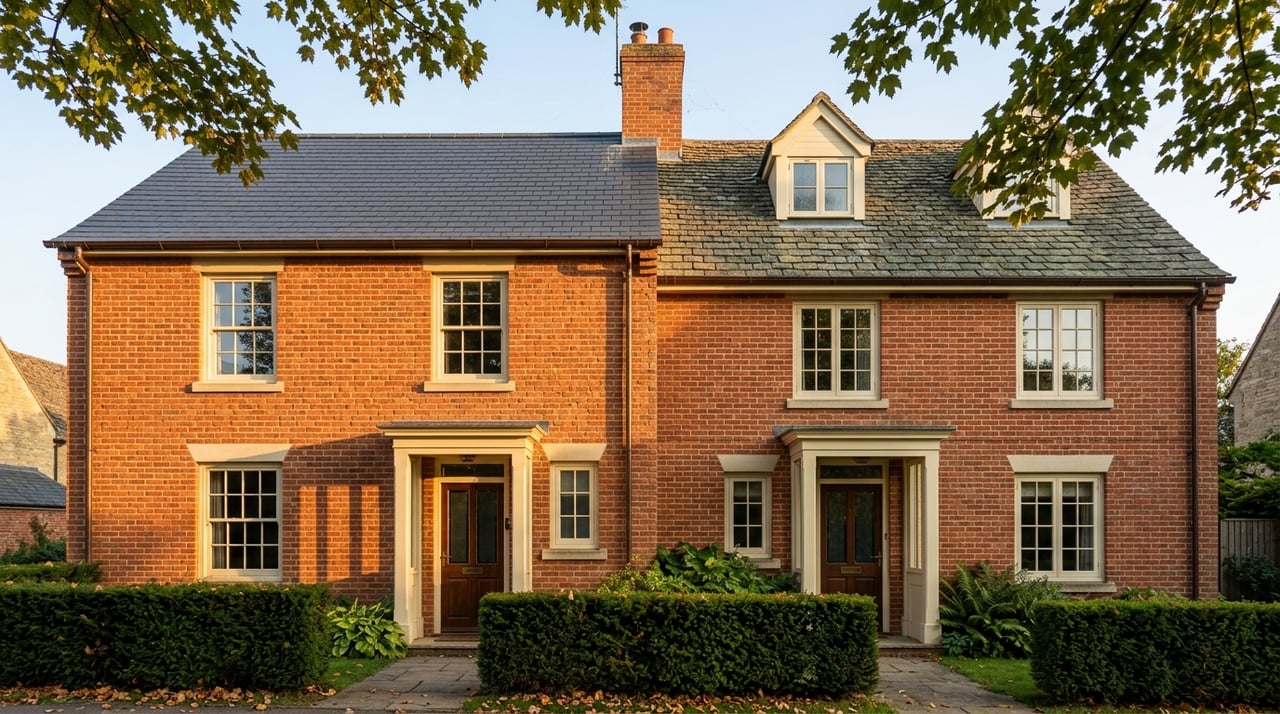
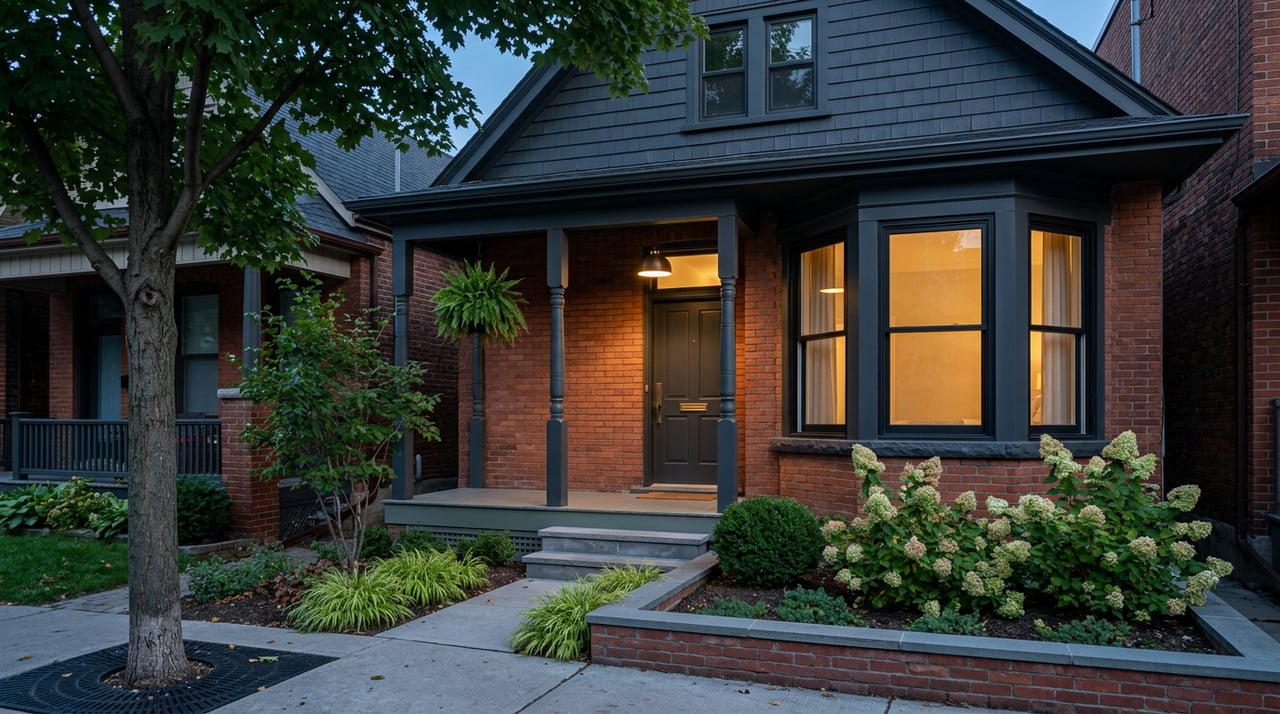
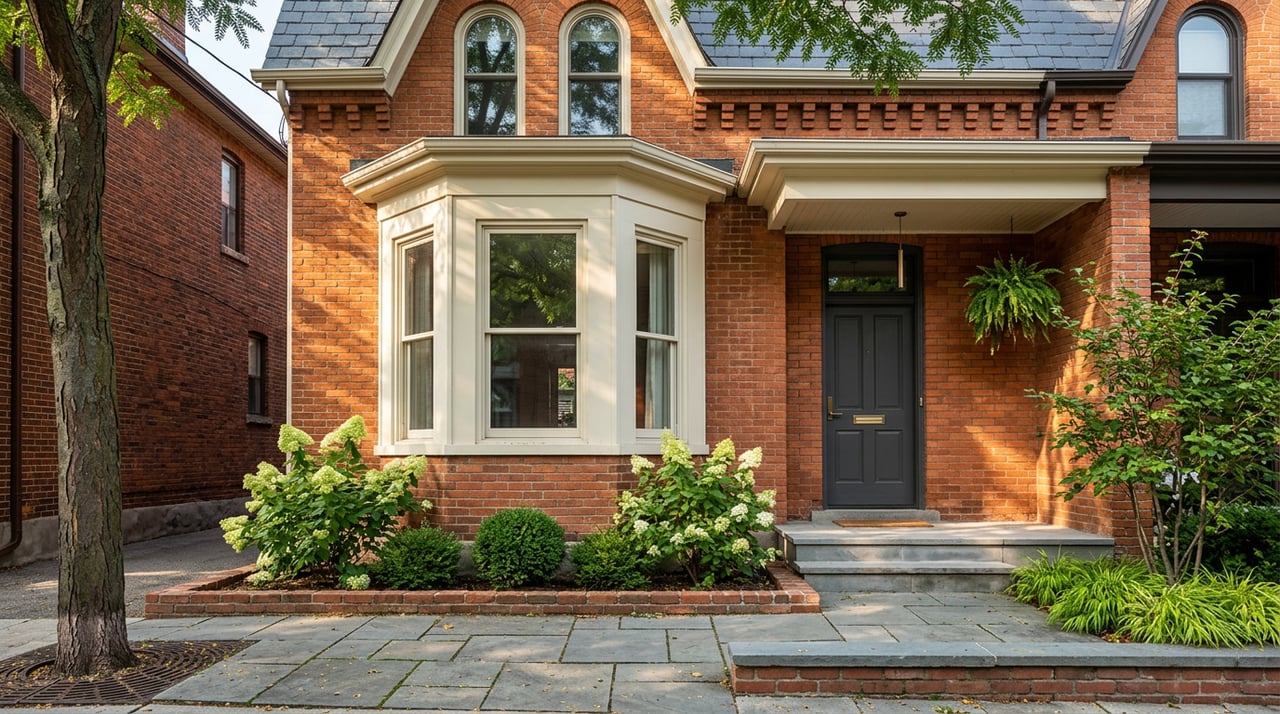
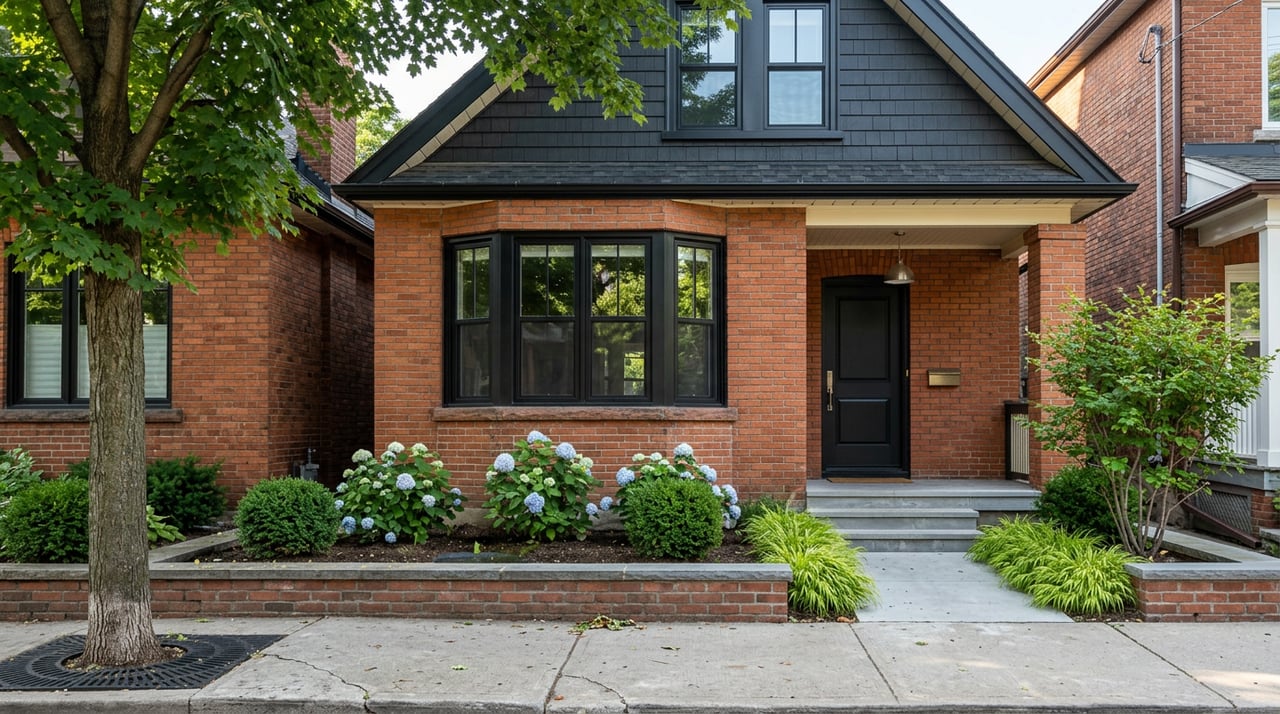
Oakwood Village's housing is overwhelmingly early- to mid-20th-century brick, detached and semi-detached, two to two-and-a-half storeys, built on efficient, narrow lots that prioritized function over flourish. Bungalows show up throughout the quieter streets, and a growing number of them are being converted into duplexes and triplexes as zoning interpretation evolves, adding density without changing the shape of the block.
That build era matters because it lines up almost exactly with two wiring generations that Ontario's insurance industry now treats very differently than it did even ten years ago. Knob-and-tube wiring was the standard method from roughly 1900 through the 1940s. Aluminum branch wiring showed up later, installed widely across Ontario homes between 1965 and 1975 when the price of copper spiked and builders switched materials to keep costs down. A neighborhood built in waves across both windows is going to have both systems sitting behind its walls today, sometimes in the same house, layered on top of each other by decades of partial renovations.
Neither wiring type is illegal to own. Knob-and-tube that's undisturbed, unloaded beyond its original design, and not buried under blown-in attic insulation can still be functional. The problem isn't the copper. It's what happens when a buyer tries to insure it.
By 2026, most of the major carriers writing homeowner policies in Ontario have hardened their position on active knob-and-tube to the point of a flat refusal. Aviva, Intact, TD Insurance, Wawanesa, and Belair Direct will not bind new coverage on a property with energized knob-and-tube circuits. Roughly 40 percent of Ontario insurers won't touch it at all, and another 30 percent will write a policy only with a 15 to 30 percent premium surcharge attached. A smaller number of specialty carriers, like Square One, will offer coverage with a visible-wiring inspection requirement and a surcharge in the $800 to $2,000 per year range.
This didn't happen because knob-and-tube got more dangerous. It happened because reinsurers priced the risk out of the market, and because decades of well-intentioned insulation upgrades, the kind utility rebate programs actively encouraged, ended up smothering wiring that was designed to shed heat into open air. The industry's tolerance shifted. The houses stayed exactly the same.
Here's why that's a financing problem and not just a paperwork one: most mortgage lenders require proof of bound home insurance before they'll release funds on closing day. If a buyer's inspection turns up active knob-and-tube in week one of a 30-day close, and the buyer's insurance broker can't bind a standard policy, the buyer is now shopping for a high-risk carrier, negotiating a remediation deadline, or asking the seller for an extension, all while the closing date doesn't move on its own.
In a neighborhood where turnover is frequent, this issue surfaces gradually. Each sale forces a fresh insurance quote, and problems get caught and fixed a little at a time, house by house, decade by decade.
Oakwood Village doesn't turn over that way. Long-tenured ownership is one of the neighborhood's defining traits. Families who bought in the 1970s and 80s often still hold the deed, and their policies have renewed year after year without a new underwriting review, because insurers generally scrutinize new applications far more closely than they scrutinize existing renewals. The wiring question never got asked. It's been sitting there, untested against 2026 underwriting standards, for as long as the house has been owned.
That means the moment one of these homes lists, the seller and buyer are often finding out for the first time, together, in real time, during a live transaction with a closing date already on the calendar.
Not every house in the neighborhood carries this risk. Some have been rebuilt entirely. One property on Winona Drive near St. Clair, for example, was fully rebuilt in 2022 and now runs 3,700 square feet of modern living space, wiring included. New builds and multiplex conversions elsewhere in the neighborhood come with fresh 200-amp service and individual panels per unit. The point isn't that every Oakwood Village home has a problem. It's that you can't tell which side of that line a given house falls on from the street, and neither, often, can the seller.
| What the inspector finds | Typical build window | What an insurer wants to see |
|---|---|---|
| Active knob-and-tube | 1900s to 1940s | Full rewire or ESA-certified partial replacement before binding coverage |
| Abandoned knob-and-tube (disconnected at the panel) | 1900s to 1940s | Documentation of disconnection; usually acceptable without removal |
| Aluminum branch wiring | 1965 to 1975 | Pigtailing with approved connectors, or full replacement |
For sellers deciding whether to address this before listing, and for buyers deciding how much room to leave in negotiations, the 2026 GTA pricing looks roughly like this:
The gap between "fix it before listing" and "let the buyer discover it" isn't small, and it isn't just about safety. It's the difference between controlling your own timeline and handing that control to a lender's underwriting department.
Does finding knob-and-tube mean the house is unsafe? Not automatically. Knob-and-tube that's undisturbed and lightly loaded can still function as designed. The issue in 2026 is almost entirely an insurance underwriting question, not a structural one.
Can I close if my insurer won't bind coverage on day one? Some carriers offer a 30 to 90 day grace period after closing to complete remediation, but this varies by insurer and isn't guaranteed. Confirm this with your specific broker before you rely on it.
Does this affect resale value even if the home is currently insured? Yes. The next buyer's lender will ask the same insurance question you did. A documented rewire or disconnection travels with the house and removes the question for whoever buys it next.
If you're weighing an Oakwood Village purchase, or wondering what your own long-held family home is actually worth once a buyer's lender starts asking these questions, Shirel Shayo can walk through the specifics with you, house by house, before the calendar starts working against you.
Stay up to date on the latest real estate trends.


Whether you’re entering the market or preparing to sell, expect a calm, modern, and detail-driven experience shaped entirely around you.