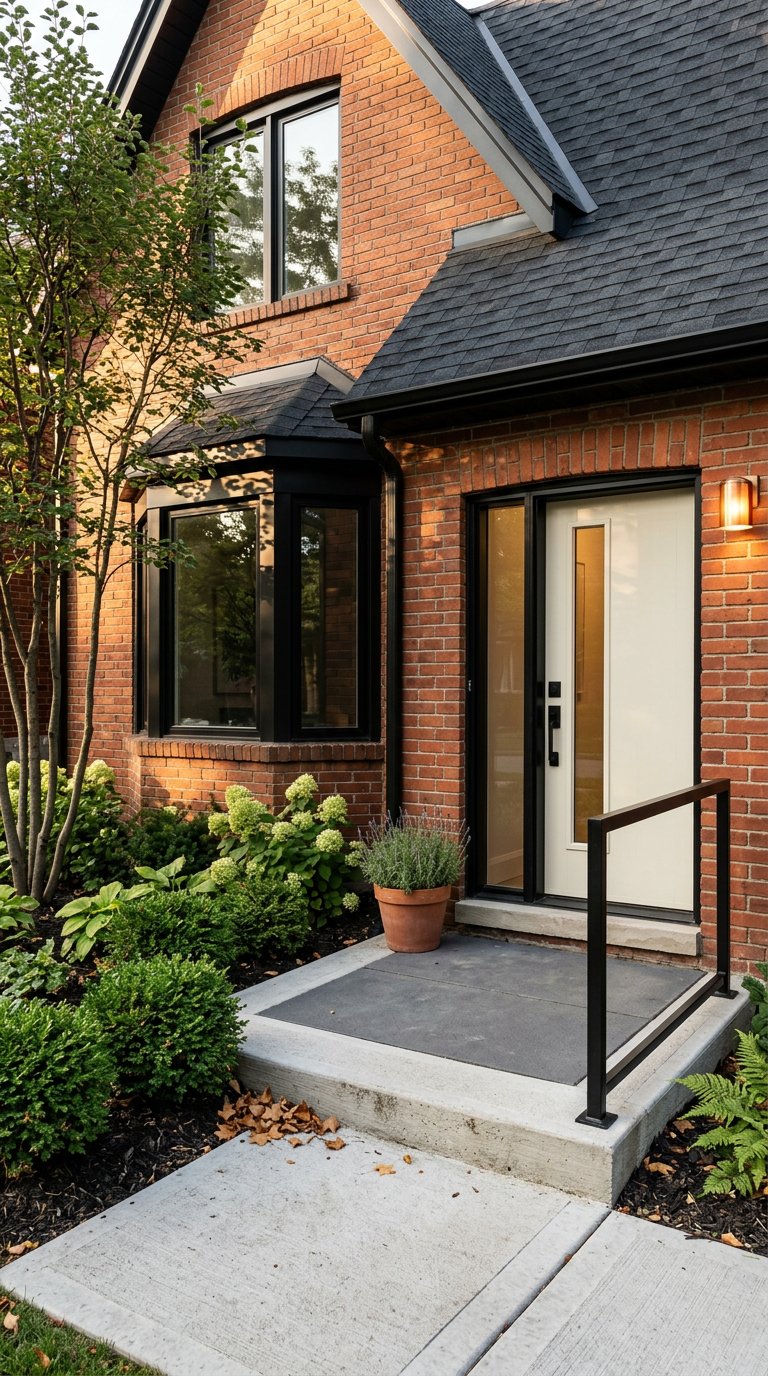
Oakwood Village Toronto Real Estate Trends for 2026 Buyers
March 24, 2026
March 24, 2026
What if you could get midtown convenience without paying peak midtown prices? If Oakwood Village has been on your radar, you are not alone. Buyers and entry-level investors are watching this pocket for its location, new transit, and a steady stream of mid-rise projects nearby. In this guide, you will see what the latest numbers show, what is changing on the ground, and how to shop smart if you want value with upside. Let’s dive in.
Oakwood Village is showing momentum, but it is not a runaway hotspot. The signals are mixed, and the details matter.
Zolo’s neighbourhood snapshot for a recent 56-day window in March 2026 shows an average sold price around $1.20 million, roughly 51 new listings, and days on market in the mid 20s. These quick snapshots capture the current mood but can swing with a small number of sales and a changing mix of property types. You should always pair them with a longer trend view and note the time window you are using. See the current neighbourhood snapshot on Zolo’s Oakwood Village trends page.
For a steadier view, look to the Toronto Regional Real Estate Board’s community reporting. In Q3 2025, the Oakwood area showed average prices in the low $1.1 million range and median prices in the high $900,000s. Transaction counts were small, which means averages can move quickly from quarter to quarter. Use TRREB’s report to anchor your expectations across several months, not just a few weeks. You can review the data in TRREB’s Toronto Central Q3 2025 community report.
Across the GTA, 2025 into early 2026 looked like a correction and stabilization period. Buyers generally had more choice and a bit more leverage than a few years ago. In micro-markets like Oakwood Village, that often translates into opportunity for prepared buyers in the near term and the potential for tighter conditions later if supply and demand shift.
Oakwood Village sits close to central jobs and midtown amenities at a relative discount to nearby enclaves like Humewood–Cedarvale and Wychwood. That value gap, combined with planned public-realm improvements and transit access, is why more buyers are looking here.
You are minutes from everyday essentials, and you can tap into nearby green spaces like Cedarvale Ravine. The Oakwood Village BIA highlights community assets, from local retail to cultural programming, that contribute to a lively, walkable feel. Explore the neighbourhood overview on the BIA’s Oakwood Village site.
The Eglinton Crosstown LRT alignment places the Oakwood and Fairbank stations within walking distance of parts of Oakwood Village. Even before full service begins, transit investment tends to concentrate new housing and retail along major corridors, which can support values over time. You can review station locations and project progress on the Line 5 Eglinton page.
The City of Toronto’s Oakwood Village Neighbourhood Streets Plan completed public consultations in 2024 and 2025, with staff recommendations scheduled for Community Council in Winter 2026. Short-term actions on crosswalks, curb extensions, and lane changes, plus longer-term design work, are intended to improve safety and walkability. Streetscape upgrades tend to enhance retail vitality and day-to-day livability, both of which support buyer demand over the medium term. Learn more in the City’s Oakwood Village Neighbourhood Streets Plan.
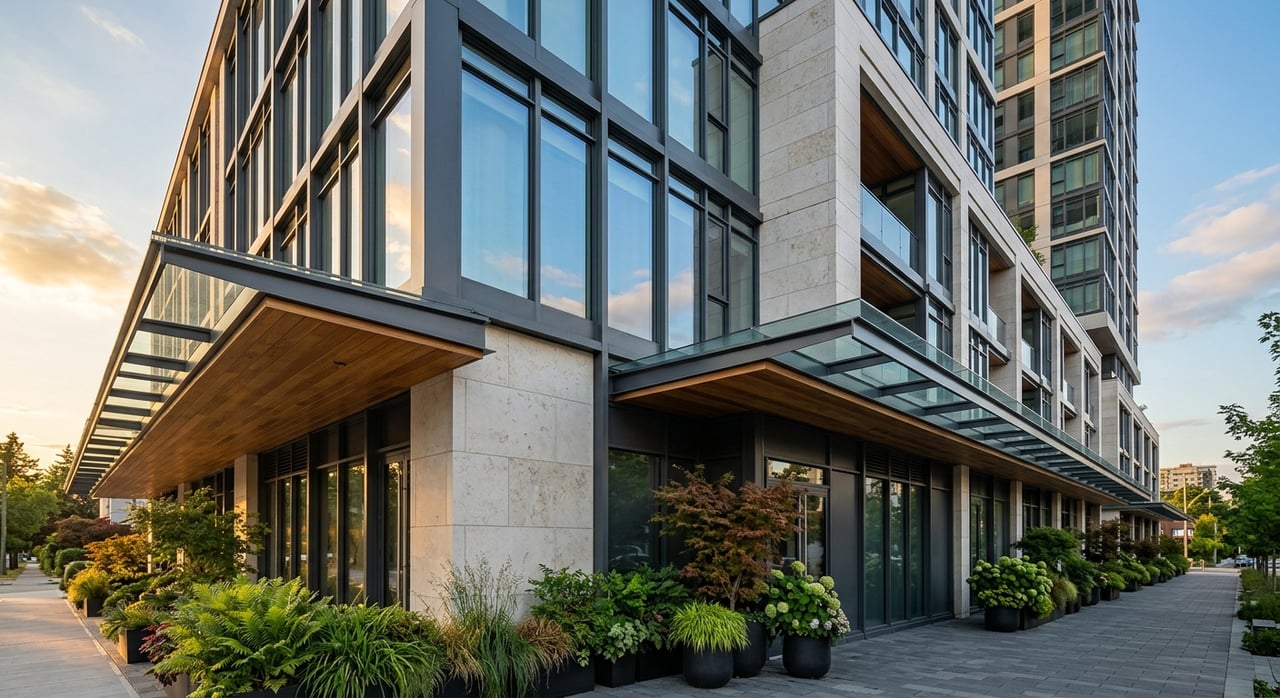
Mid-rise development on the St. Clair corridor near Oakwood has been steady, and that matters for buyers who want modern product and amenities within a short walk.
Oakwood Village is not a perfect fit for everyone. Here is who tends to benefit most.
If you prioritize a central location over turnkey luxury, Oakwood can deliver midtown access at a lower entry price than some adjacent pockets. Many homes will need thoughtful upgrades over time. If you are comfortable with a multi-year plan, you can buy into land value and improve as you go.
If you want a modern, low-maintenance home near transit, mid-rise condos along St. Clair or Eglinton can be compelling. You get elevator convenience, contemporary finishes, and ground-floor retail close by. Scrutinize building status, reserve funds, and monthly fees, especially in newer projects.
Investors looking at small multi-unit conversions or condos near transit should underwrite with care. CMHC reported that the Canadian rental market loosened in 2025, with purpose-built vacancy rising toward about 3 percent nationally and Toronto moving in a similar direction. Near-term vacancy and modest rent incentives can compress yields, so it is wise to stress-test cash flow and hold a buffer. For context, review CMHC’s summary of the 2025 rental market shift.
No neighbourhood is risk-free, and Oakwood Village has several factors you should understand before you buy.
“Oakwood Village” can describe the BIA corridor, TRREB’s Oakwood–Vaughan community, or a looser local definition. Different boundaries produce different sales counts and price points. Always confirm which boundary a data source uses and keep your comparisons consistent. The BIA offers useful neighbourhood context at oakwoodvillage.ca.
Sales volumes at the community level can be modest. A few higher or lower-priced transactions can move average prices. When you review data, pair short-window snapshots with multi-quarter figures, and look at both the median and the average to avoid being misled by outliers.
Corridor intensification on St. Clair and Eglinton, along with the Streets Plan improvements, can create short-term disruption. Blocks closest to active work may see temporary dips in comfort and buyer demand. Historically, values tend to benefit in the 2 to 5 years after projects are completed, once the dust settles and amenities are open.
The City’s Little Jamaica and Eglinton West Cultural District initiative aims to protect and celebrate Jamaican–Caribbean heritage and support Black-owned businesses. This is a strength for community identity and can increase visitor interest. It can also introduce policy tools that shape future redevelopment and retail mix. You can read about the program goals in the City’s Little Jamaica study overview.
Use this quick checklist to make confident, data-led decisions.
Oakwood Village offers midtown proximity at a relative discount, with tangible upside drivers in transit, streetscape improvements, and active mid-rise development nearby. Short-window data in March 2026 shows average prices around $1.20 million, while multi-quarter TRREB figures point to the low $1.1 million range for averages and high $900,000s for medians. Small sales counts mean the numbers can move quickly, which creates both opportunity and risk.
If you want a central location with room to grow, Oakwood Village deserves a look. If you value modern condo living near transit, the St. Clair and Eglinton corridors are particularly compelling. If you prefer to renovate over time, there is potential to add value thoughtfully. Ready to explore options and align on timing, product, and price strategy tailored to you? Connect with Shirel Shayo for a personal, design-forward consultation.
Stay up to date on the latest real estate trends.
Whether you’re entering the market or preparing to sell, expect a calm, modern, and detail-driven experience shaped entirely around you.