Choosing between Yorkville and the Annex for your next condo can feel like comparing two great versions of downtown living. You might love the polished energy of luxury towers or prefer the character of tree‑lined streets and heritage buildings. In this guide, you’ll see how the two neighborhoods stack up on lifestyle, buildings, prices, transit, and long‑term value so you can decide what fits you best. Let’s dive in.
Yorkville at a glance
Yorkville sits just north of Bloor between Yonge and Avenue Road, known for flagship retail, five‑star hotels, and destination dining. Its streetscape blends boutiques, galleries, and new high‑rise residences that cater to a luxury lifestyle. The area’s reputation as part of the city’s “Mink Mile” gives it strong brand appeal for buyers who prioritize prestige and convenience. Learn more about the neighborhood’s history and profile on the Yorkville Wikipedia page and the local Bloor‑Yorkville BIA site.
The Annex at a glance
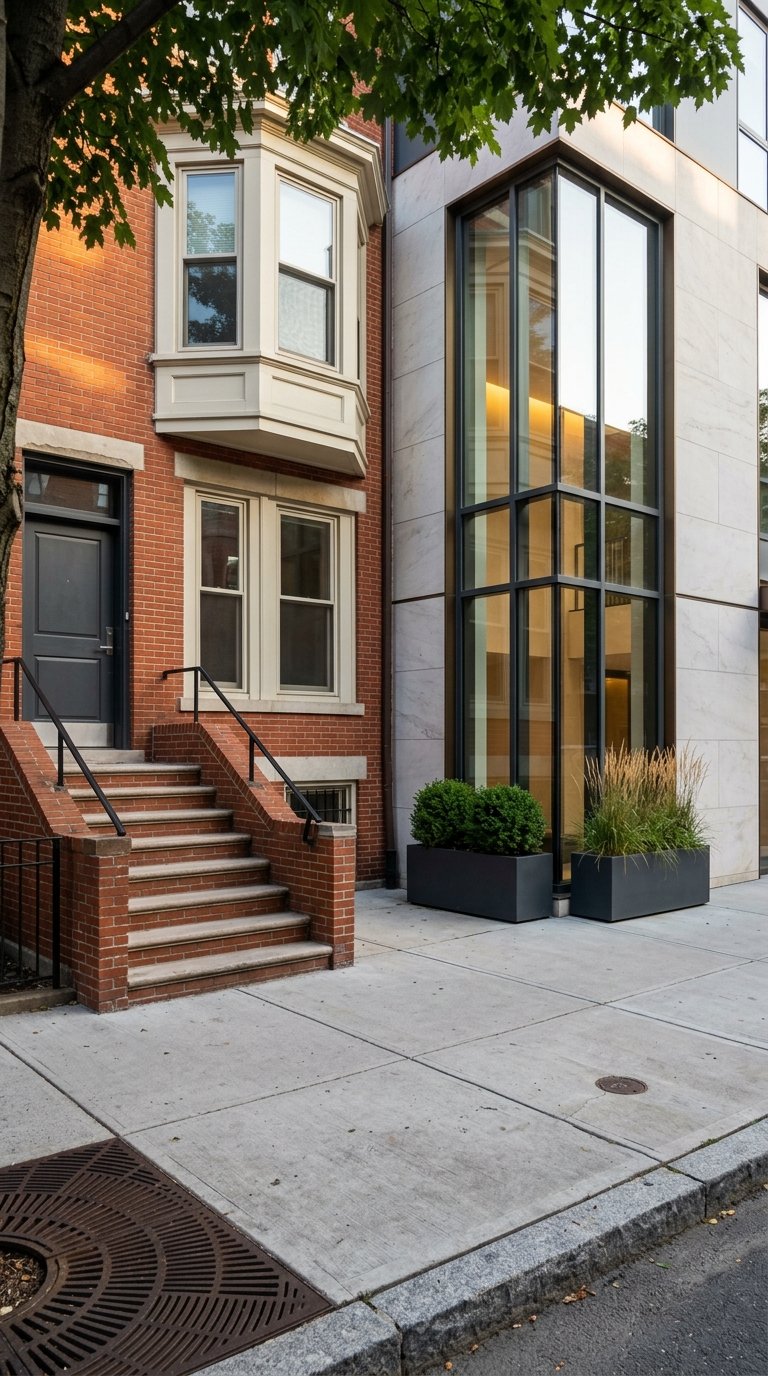
The Annex runs roughly from Bloor Street to Dupont, and from Bathurst to Avenue Road. It is known for Victorian and Edwardian homes, heritage protections in parts of the area, and a calm residential feel. Its proximity to the University of Toronto and cultural institutions like the Royal Ontario Museum creates steady day‑to‑day activity on main streets with quieter blocks inside. Read more on the Annex Wikipedia page.
Transit and walkability
Both neighborhoods are highly walkable with excellent subway access. Yorkville benefits from Bloor–Yonge and Bay stations, while the Annex is served by St. George and Spadina. Addresses in both areas score very high on Walk Score, with Yorkville locations often near perfect, as shown on Walk Score’s Yorkville sample.
Condo types and amenities
Yorkville condo profile
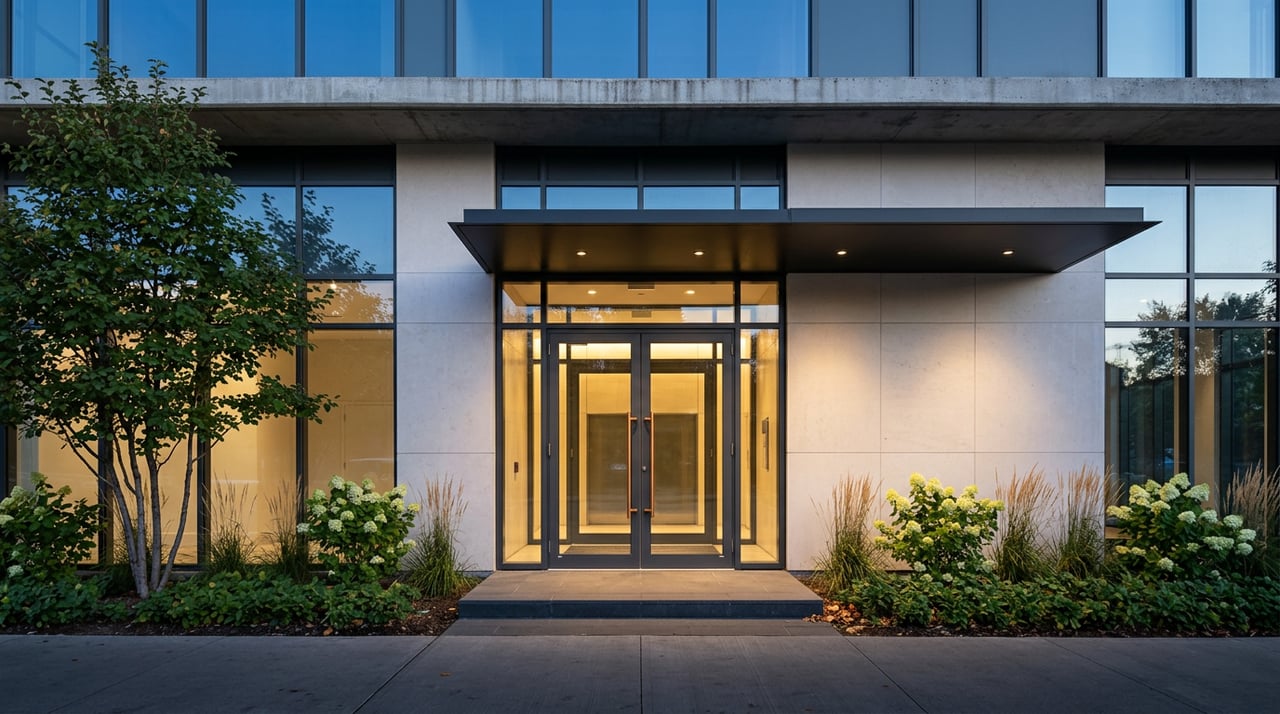
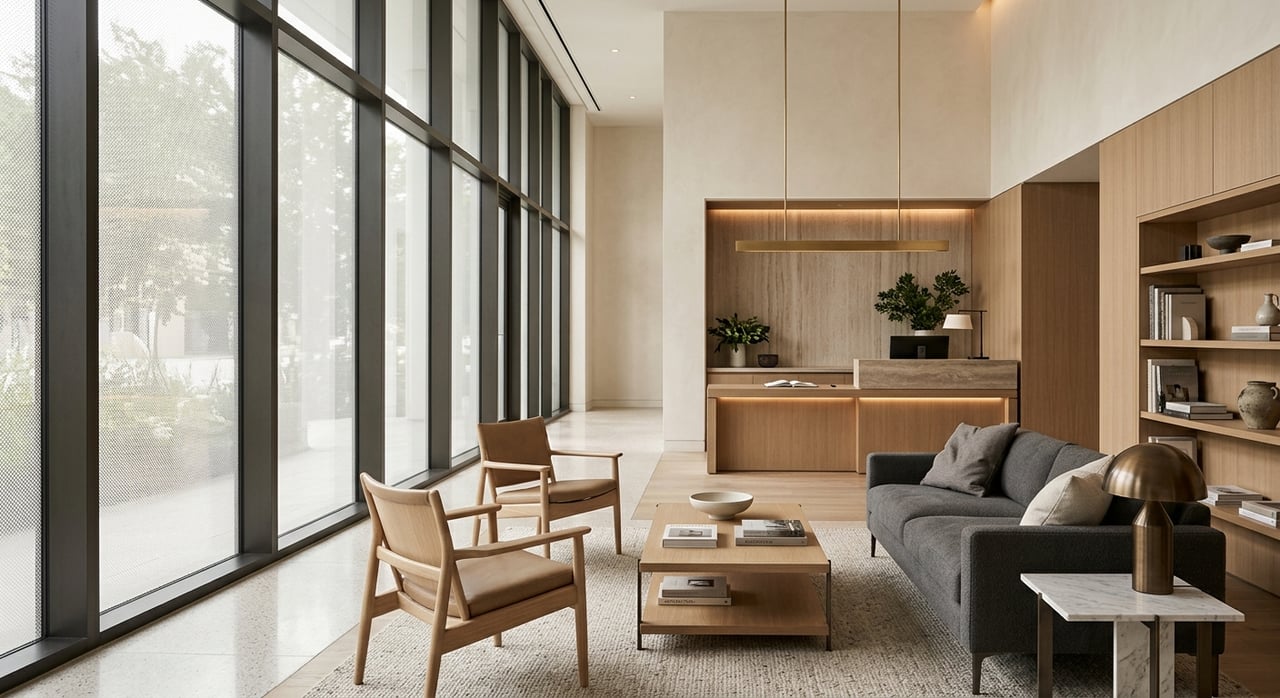
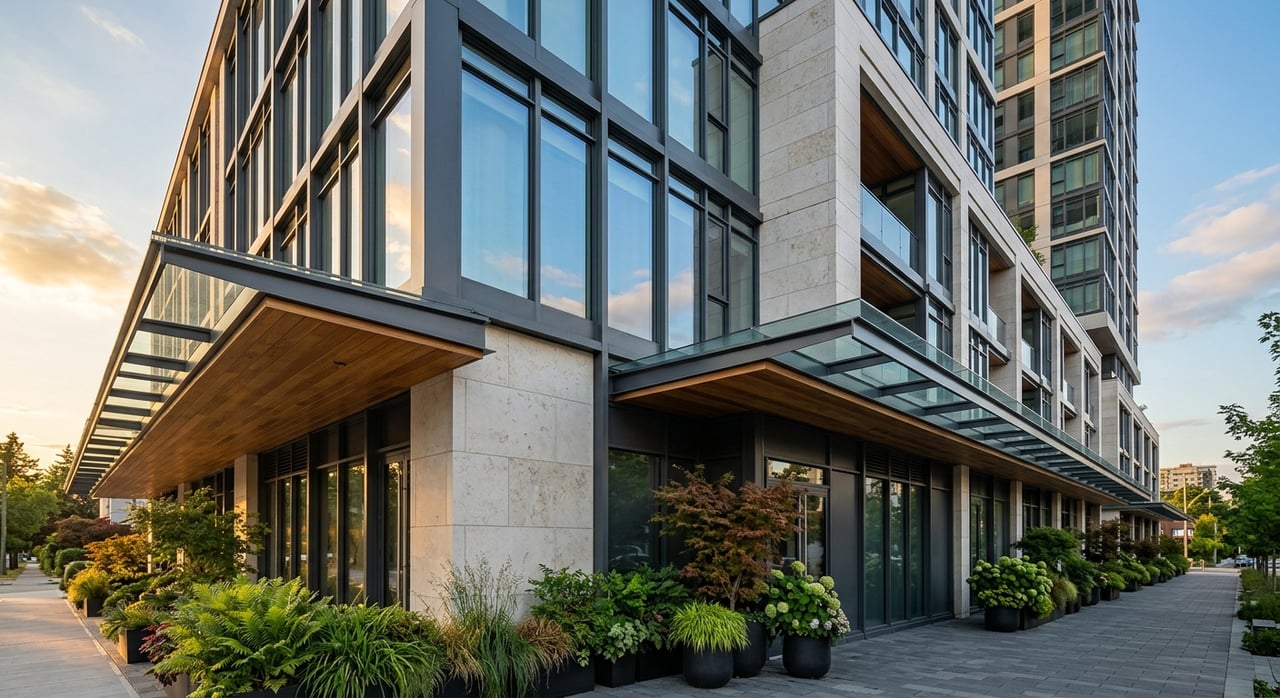
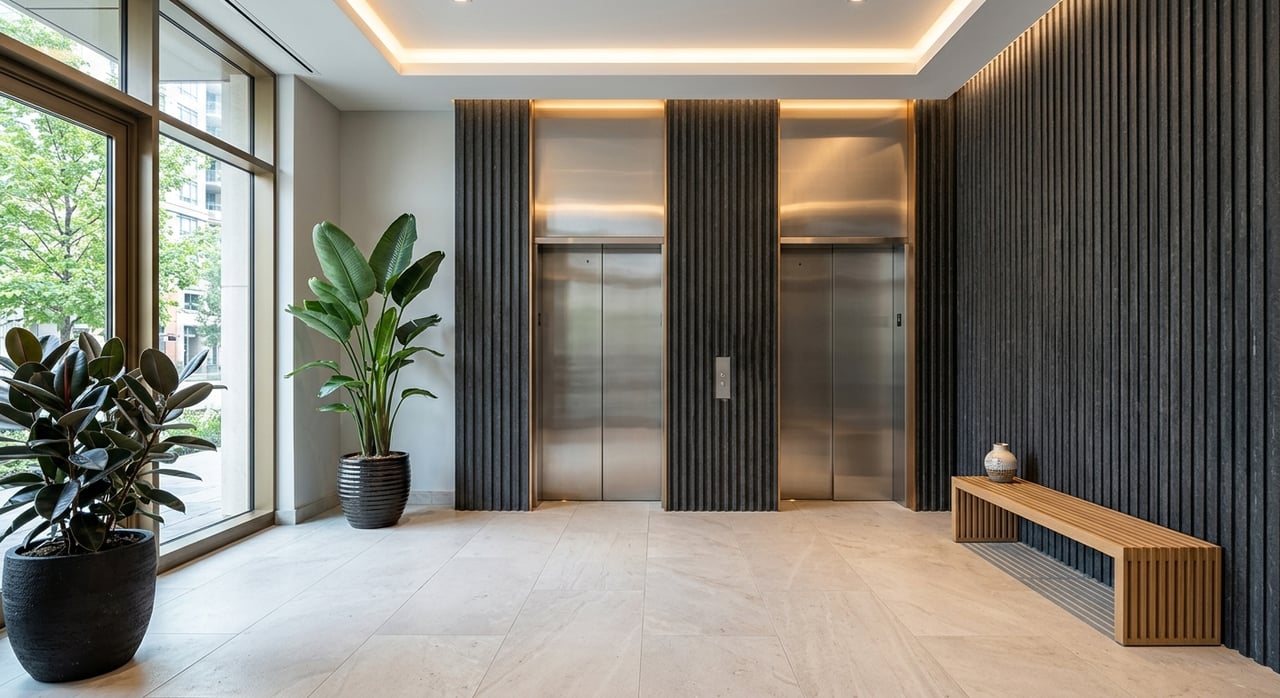
Yorkville features many full‑service towers with contemporary glass and concrete architecture. You are more likely to find 24‑hour concierge, expansive fitness centers, pools, and private dining or lounge spaces. Newer buildings often include hotel‑style services and sleek finishes that attract design‑minded buyers and downsizers.
Annex condo profile
The Annex leans boutique. You will see heritage conversions, mid‑rise concrete buildings, and smaller condos that trade sheer amenity volume for character and location. Many buildings offer a modest amenity set such as a gym, rooftop deck, party room, and visitor parking, with concierge service available in select projects.
Price ranges and real examples
Prices overlap across the two neighborhoods, but Yorkville’s upper tier stretches higher because of its trophy inventory and branded addresses.
- Yorkville snapshot. A Yorkville‑focused Q4 2025 resale sample reported an average sold price around $1.43 million and an average price per square foot near $1,189 for that quarter’s set of sales. One‑bed suites in newer towers often list well above typical downtown averages, many two‑bedroom units trade over $1 million, and penthouses can reach multiple millions.
- Annex snapshot. Pricing varies by building age, size, and exact location. Studio and one‑bed units in older Annex buildings commonly list from the mid $400s to the $800s overall, with near‑Bloor or renovated units sitting higher. Two‑bed and larger suites often range from the high $600s to $1.3 million or more depending on size, views, and upgrades. Heritage conversions and addresses close to Bloor can carry a premium.
Use these as directional guides rather than hard medians. For live neighborhood numbers by building and floor plan, you will want an updated MLS report.
Lifestyle on the street
Yorkville puts you steps from luxury retail, top restaurants, and hotel services. Sidewalks are busier, especially along Bloor, and the vibe suits buyers who want convenience and a polished scene. The Bloor‑Yorkville BIA highlights ongoing events, dining, and cultural touchpoints that make it a destination.
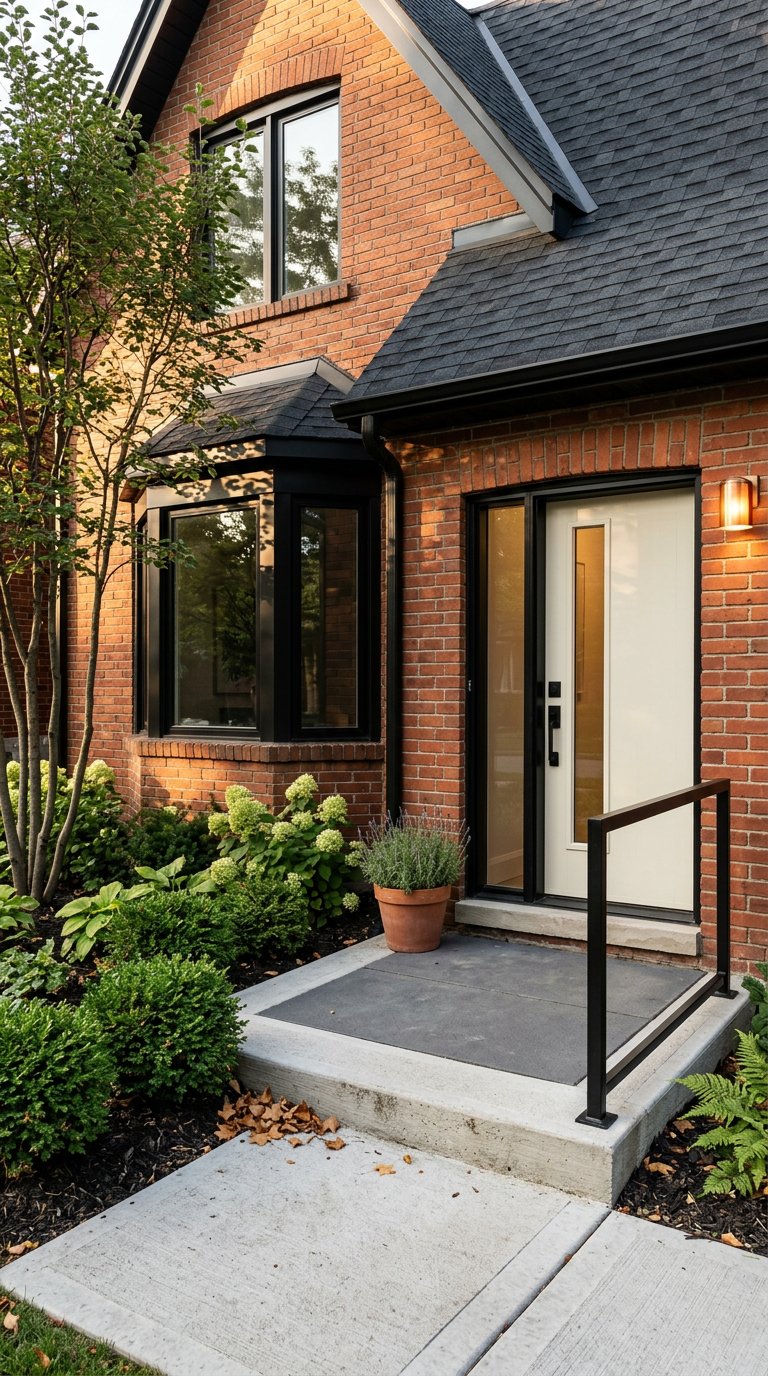
The Annex feels more residential day to day. You will find independent cafés, bookstores, and quiet streets lined with mature trees. It suits buyers who prefer neighborhood character and a calmer pace while staying minutes from major institutions.
Who each area fits
- Yorkville tends to fit buyers who want premium amenities, concierge service, and a turnkey lifestyle. Downsizers and professionals who value a prestigious address often put Yorkville at the top of their list.
- The Annex tends to fit buyers who value heritage architecture, a boutique building feel, and proximity to the University of Toronto. It is a strong match if you prioritize quieter streets and long‑term neighborhood stability.
Value drivers and rental realities
Long‑term value themes
- Scarcity and prestige in Yorkville. The concentration of flagship retail, hotels, and name‑brand buildings supports premium pricing for top‑tier condos. That cachet can help protect the upper price band through cycles, especially for rare penthouse or top‑floor homes. Explore neighborhood context via the Bloor‑Yorkville BIA.
- Heritage and location stability in the Annex. Tree‑lined streets and heritage housing create steady demand from owners and long‑term renters. This stability, plus close access to the university and cultural amenities, underpins value. See the Annex overview for more on local character and history.
- Market backdrop. Citywide in 2025, Toronto’s resale market trended more buyer‑friendly with elevated listings and moderated price growth, according to TRREB’s year‑end report. The 2026 outlook points to stability, though results can vary by segment and building.
Rental demand near U of T
The Annex benefits from consistent rental interest tied to the University of Toronto’s St. George campus. U of T reported approximately 69,976 students on the St. George campus within its broader enrollment, a scale that reinforces steady demand for nearby rentals. You can review current figures on the university’s Quick Facts page.
Short‑term rental rules in Toronto
If you are considering short‑term rental income, note that Toronto limits short‑term rentals to a host’s principal residence and requires registration. These rules reduce the feasibility of operating multiple investment units as short‑term rentals in either neighborhood. Always check the City of Toronto’s current regulations before you buy.
How to choose: a simple framework
Use these prompts to clarify your best fit:
- Budget and size. Define your must‑have bedrooms, square footage, and parking. Price overlap exists, but Yorkville’s premium tier and penthouses push the upper end higher.
- Daily routine. Do you dine out often and want on‑site amenities, or do you prefer a quieter street with cafés and local shops around the corner?
- Amenities and fees. Full‑service towers offer more, which can mean higher monthly fees. Boutique buildings trade amenity depth for character and intimacy.
- Sound and pace. If you thrive on energy, Yorkville’s core may suit you. If you prefer quiet evenings on a tree‑lined block, the Annex is likely a better match.
- Hold period and exit strategy. For five‑ to ten‑year holds, consider resale appeal. Yorkville’s prestige and the Annex’s heritage stability support different buyer pools at exit.
- Building due diligence. Review the status certificate, recent maintenance projects, and any special assessments. In today’s market, details matter for both value and comfort.
Touring tips and next steps
- Compare like to like. If you view a modern Yorkville tower, compare it to a newer Annex mid‑rise rather than a heritage conversion. You will get a clearer sense of value.
- Visit at different times. See the building morning, after work, and on weekends to experience noise, lobby traffic, and street activity.
- Read the room. Amenities are only valuable if you will use them. Make a quick list of what you will actually enjoy each week and weigh that against maintenance fees.
- Plan for resale. Ask about the building’s average days on market and recent sale price per square foot for your floor plan.
If you want a curated short list in both neighborhoods, along with honest guidance on finishes, amenities, and value, connect with Shirel Shayo for a personalized condo consultation.
FAQs
Is Yorkville more expensive than the Annex for condos?
- Generally yes at the top end, due to Yorkville’s luxury towers and trophy penthouses, though there is price overlap for many one‑ and two‑bedroom units.
Which neighborhood is better for walkability and transit?
- Both are excellent, with Yorkville near Bloor–Yonge and Bay stations and the Annex near St. George and Spadina. Walk Score samples show near‑perfect results in Yorkville.
What amenities are common in Yorkville condos?
- Expect full‑service offerings like concierge, gym, pool or spa areas, and private lounges. Newer towers often provide larger amenity floors and upscale finishes.
What condo styles are typical in the Annex?
- You will find boutique buildings, heritage conversions, and mid‑rise concrete apartments. Amenities are often more modest, with character and location as key draws.
How does the rental market compare between Yorkville and the Annex?
- The Annex has consistent rental demand tied to the University of Toronto’s St. George campus, while Yorkville attracts professionals who value proximity to offices, shopping, and dining.
What should investors know about Toronto short‑term rentals?
- The city limits short‑term rentals to principal residences and requires registration, which reduces the viability of multiple short‑term investment units in either area.
What does the 2026 market outlook suggest for condo buyers?
- TRREB’s year‑end read points to stable pricing with segment‑specific variation. Elevated supply in 2025 created more negotiating room, a theme that can carry into 2026.