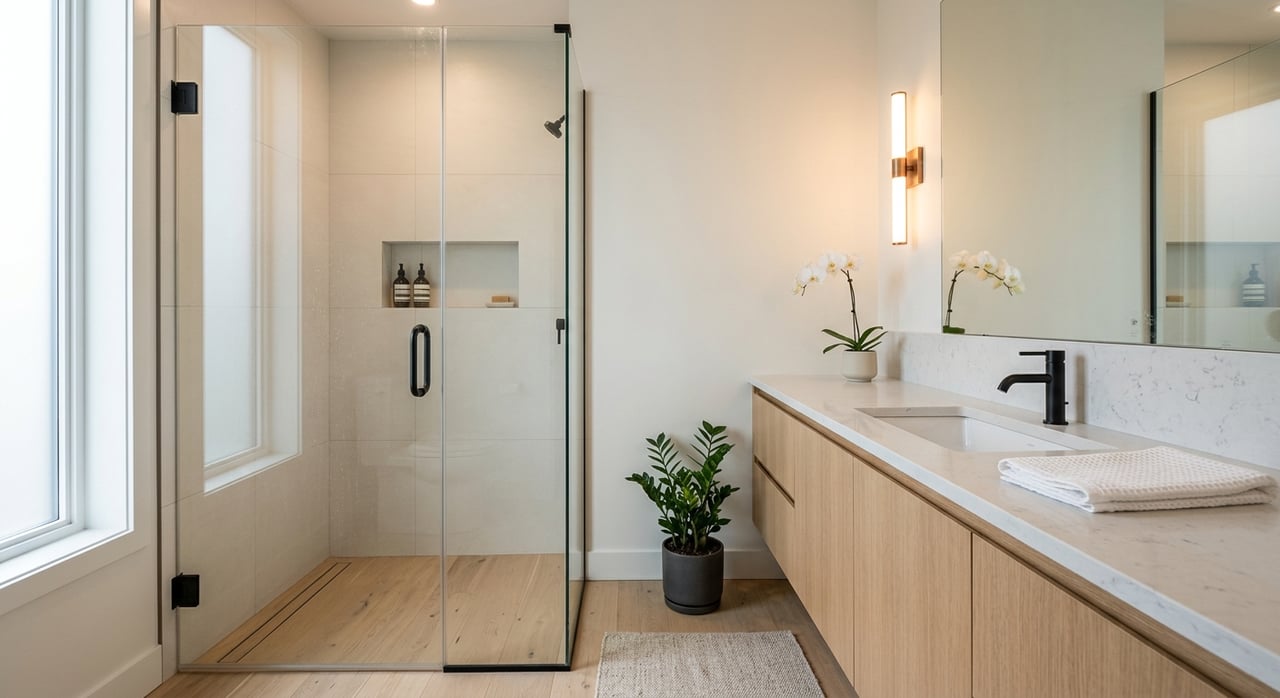
Staging A Forest Hill Condo For A Standout Sale
April 16, 2026
April 16, 2026
If you are selling a condo in Forest Hill, first impressions matter more than ever. In a market where buyers have options, your space needs to feel polished, easy to understand, and ready for its next chapter. The good news is that smart staging does not have to mean a full overhaul. With the right approach, you can highlight your condo’s best features, strengthen your online presentation, and create a more confident buyer response. Let’s dive in.
Forest Hill has a distinct identity. The area around Forest Hill Village and St. Clair West offers a mix of residential, commercial, and institutional uses, along with a polished, amenity-rich setting shaped by shops, cafes, boutiques, and service businesses, as outlined by the City of Toronto’s planning overview.
That context matters when you prepare a condo for sale. Buyers in this part of Toronto are often comparing not only floor plans and finishes, but also how well a home feels aligned with the area’s calm, tailored character. Based on the City’s Forest Hill Village Urban Design Guidelines, presentation that feels restrained, thoughtful, and architecture-aware is likely to resonate more than staging that feels busy or overly trend-driven.
Staging becomes even more important when buyers have more listings to choose from. According to the TRREB condo market report, GTA condominium apartment sales were down year over year in Q4 2025, active listings were up, and average condo prices also declined. The City of Toronto condo average was reported at $690,607.
In practical terms, this means buyers can afford to be selective. They are more likely to compare condition, layout, light, and presentation before deciding whether a condo feels worth a showing or a strong offer. In that kind of market, staging is not just decorative. It helps your home compete.
Not every room carries the same weight. The 2025 Profile of Home Staging from the National Association of Realtors found that the living room was the most commonly staged room at 91%, followed by the primary bedroom at 83%, the dining room at 69%, and the kitchen at 68%.
That order makes sense for condo sales. These are the spaces that shape a buyer’s first impression of comfort, scale, and function. They also tend to appear most prominently in listing photos, which means they influence online interest before a buyer ever books a showing.
In many condos, the living room does a lot of work. It often connects directly to the kitchen, dining area, and windows, so if it feels cramped or undefined, the whole home can feel smaller.
Use fewer pieces of furniture and make sure each one fits the room. A loveseat or slim-profile sofa often works better than oversized seating, and a properly sized rug can help define the conversation area without making the space feel crowded. The goal is to show easy circulation and a layout that feels natural.
The primary bedroom should feel calm and functional. Buyers want to see that the room can comfortably fit the essentials without sacrificing flow.
Keep bedding neutral and layered, clear extra furniture, and limit decor to a few clean accents. A bedroom that feels serene and uncluttered helps buyers imagine daily life there more easily.
Kitchens in condos need to look efficient and easy to maintain. According to NAR staging guidance, simplified surfaces and streamlined decor help a home feel more open and move-in ready.
Clear counters as much as possible. Leave only a few intentional items, such as a small bowl or one decorative object, and make sure lighting is bright and flattering. If cabinet hardware, grout, or paint shows wear, selective touch-ups can sharpen the overall impression.
If your condo includes a dining space, make its purpose obvious. Buyers respond well when every zone in an open layout feels clear and usable.
Even a compact table with two to four chairs can help establish function. If the area is awkward or underused, staging can turn it into a defined dining space rather than dead square footage.
A standout Forest Hill condo usually benefits from a look that feels elevated without trying too hard. Because the area is associated with a distinctive village identity and heritage-sensitive design context, a staged condo will often land best when it feels curated, quiet, and visually balanced rather than highly themed or flashy.
That does not mean plain or cold. It means choosing neutral tones, clean lines, and a few refined details that support the architecture and natural light. Think edited styling, strong proportions, and accessories that feel intentional.
You do not need a renovation to improve your condo’s presentation. In fact, NAR notes that even modest presentation upgrades can help higher-end listings make the right impression.
The best return often comes from focused improvements like:
These changes help your condo read as well-maintained and move-in ready, which is especially important when buyers are comparing multiple listings in the same price band.
An empty condo can be harder to read. Without furniture, buyers may struggle to judge scale, layout, and how each area actually functions. NAR’s staging resources note that vacant interiors can feel smaller and less inviting when left empty.
This is where physical or virtual staging can make a real difference. Virtual staging is especially useful for vacant or partially vacant condos because it helps show how the space might work without requiring a full furniture installation. If you are selling a unit with an open plan or unusual room proportions, this can be a practical tool.
Most buyers will meet your condo online before they see it in person. That makes photography one of the most important parts of the staging plan.
According to NAR’s guidance on online visibility, 81% of buyers rated listing photos as the most useful feature in their online search, 52% found the home they purchased online, and 43% began by looking for properties on the internet. In other words, your condo needs to look compelling on a phone screen, not just during a showing.
Your lead image has one job: get the click. In most condo listings, that means a bright, wide, well-composed shot of the living space, view, or another standout feature.
Before photos are taken, walk through the unit with the camera in mind. Remove visual clutter, hide cords, straighten chairs, fluff bedding, and make sure every visible surface contributes to a clean image.
Floor plans and virtual tours also help buyers answer layout questions. NAR notes that floor plans are among the most requested visual assets after listing photos, and virtual tours can help buyers better understand how a home flows.
That means staging should support clarity. Each area should have a defined use, furniture should guide the eye, and room transitions should feel obvious. If buyers cannot quickly understand the space online, they may move on.
For many sellers, yes. The 2025 NAR report on staging found that 29% of agents saw staged homes receive offers that were 1% to 10% higher, and 49% observed shorter time on market.
That does not guarantee the same result for every condo. But it does show why staging remains a practical strategy, especially in a market where inventory gives buyers more room to compare. When your condo looks sharper, feels easier to picture living in, and shows well online, it is better positioned to stand out.
If you want to keep things focused, here is the staging checklist that matters most:
A well-staged condo does more than look attractive. It helps buyers understand the lifestyle, function, and value of the home within seconds.
If you are preparing to sell a condo in Forest Hill or another central Toronto neighbourhood, thoughtful presentation can have a real impact on how your listing is perceived. For design-forward guidance and a tailored condo marketing strategy, connect with Shirel Shayo.
Stay up to date on the latest real estate trends.




Whether you’re entering the market or preparing to sell, expect a calm, modern, and detail-driven experience shaped entirely around you.